There’s nothing quite like a fresh, vibrant salad to brighten a meal, but the secret to a truly delightful salad often lies beyond the dressing and ingredients themselves. It’s all about perfectly dry greens. Imagine a vinaigrette clinging beautifully to every leaf, delivering a burst of flavor with each bite, rather than sliding off watery lettuce, leaving a sad, diluted mess at the bottom of your bowl. This is where the humble yet mighty salad spinner steps in, and among its various forms, the Salad Spinner With Pull Cord stands out as a true game-changer for many home cooks.
For years, drying greens involved tedious patting with paper towels or the rather vigorous (and often messy) “towel swing” method. The innovation of the salad spinner revolutionized this chore, transforming it into a quick, efficient process. Specifically, the pull cord mechanism offers a uniquely satisfying and effective way to achieve perfectly dry, crisp greens with minimal effort, making it a beloved tool in kitchens worldwide.
The Ingenious Design: How a Pull Cord Salad Spinner Works
At its heart, a salad spinner with pull cord is a simple yet brilliant application of centrifugal force. It consists of an outer bowl, an inner basket (colander), and a lid with the integrated pull cord mechanism.
Anatomy of an Efficient Spinner
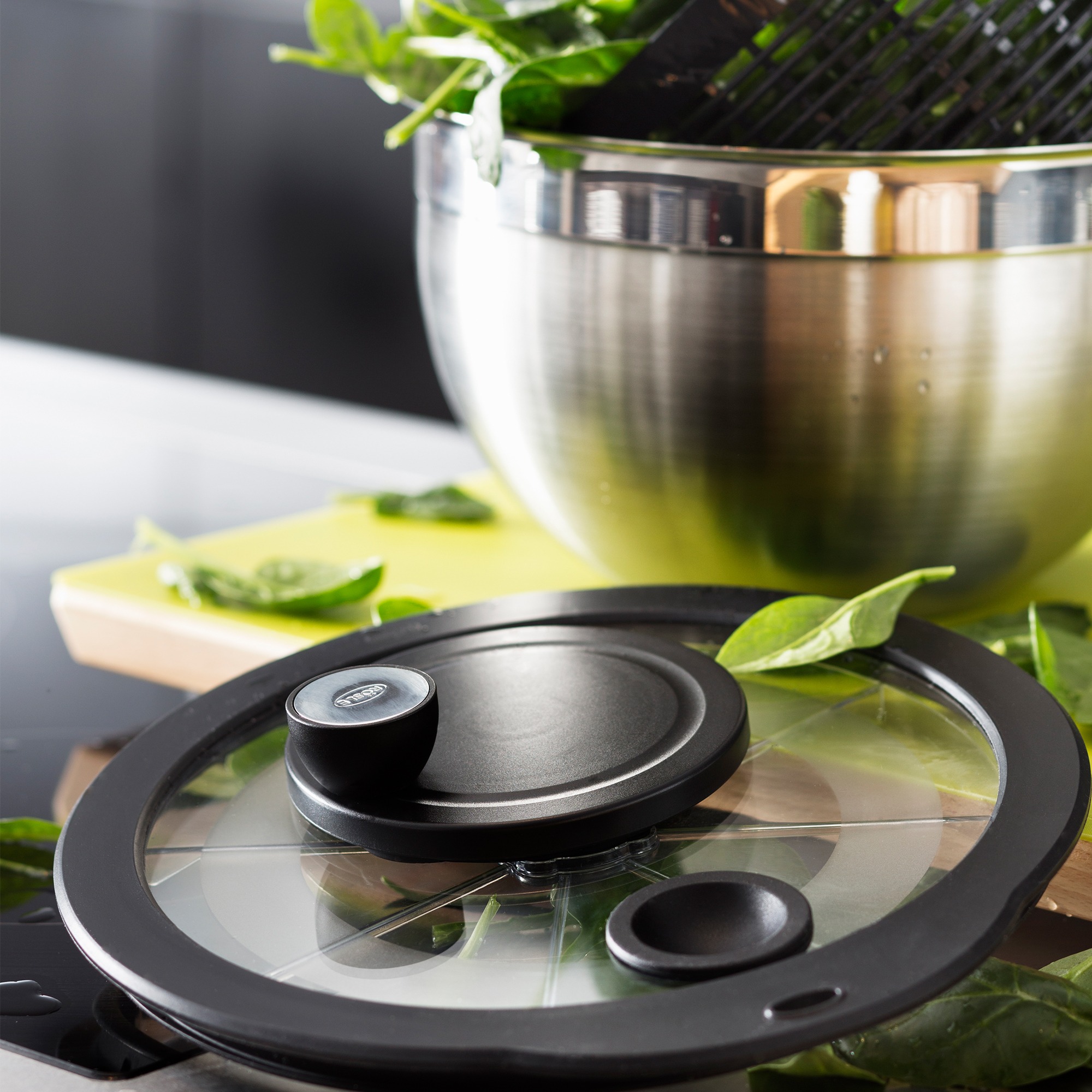
Typically, the outer bowl is made of clear plastic or durable stainless steel, often featuring a non-slip base to keep it stable during operation. The inner basket, designed with numerous perforations, acts as a colander for rinsing your greens. The lid houses the crucial pull cord system, which connects to a gear that rapidly spins the inner basket when activated. Many models also include a convenient brake button, allowing you to quickly stop the spinning motion, preventing over-spinning or bruising delicate leaves.
The Mechanics of a Clean Spin
Using a pull cord salad spinner is remarkably intuitive. After rinsing your greens directly in the inner basket, you place the basket into the outer bowl and secure the lid. Then, with a simple, firm tug on the cord, the inner basket begins to spin rapidly. This centrifugal force pushes the water outwards through the basket’s perforations, collecting it in the outer bowl while leaving your greens wonderfully dry. It’s often compared to the satisfying startup of an old-school lawnmower – a quick, decisive pull gets everything moving with impressive speed. The beauty of this mechanism is how efficiently it removes excess moisture without damaging the delicate leaves, ensuring your salad stays crisp and your dressing adheres perfectly.
A Spin Through History: The Evolution of Salad Spinners
While the modern salad spinner with pull cord feels like a contemporary convenience, the quest for dry greens is ancient. Historically, cooks would shake greens in baskets or cloths to remove water. The first mechanical salad spinners began appearing in the 1970s, marking a significant leap forward in kitchen efficiency. Early models often featured hand-crank mechanisms. Over time, designs evolved to include pump-action plungers and, eventually, the robust and user-friendly pull cord system. Each iteration aimed to improve ease of use, drying efficiency, and durability, culminating in the sophisticated and diverse range of salad spinners we see today, with the pull cord version holding a prominent place for its powerful, straightforward operation.
Why Choose a Pull Cord Salad Spinner? The Benefits Unpacked
The popularity of the salad spinner with pull cord isn’t just a trend; it’s a testament to its practical advantages in the kitchen.
Effortless Drying, Superior Results
One of the most significant benefits is the sheer ease and effectiveness of drying. A single, smooth pull can generate enough speed to dry a substantial amount of greens in mere seconds. This effortless operation means less physical strain compared to some crank models and often more power than basic pump designs. The result is consistently crisp, clean greens, free from grit and excess moisture, ready to absorb your favorite dressings without dilution. “A properly dried green isn’t just about avoiding a watery dressing; it’s about unlocking the full flavor and texture of your salad. The precise, controlled centrifugal force of a good pull cord spinner makes all the difference,” says Sarah Jenkins, Culinary Innovator at “SaladPro Innovations.”
Versatility Beyond Greens
While its primary purpose is salad, a pull cord salad spinner is surprisingly versatile. It’s excellent for washing and drying delicate herbs like cilantro and parsley, ensuring they retain their flavor and texture. You can also use it to gently rinse berries, remove excess water from cooked pasta (if you’re making a cold pasta salad), or even give small batches of cruciferous vegetables like broccoli florets a quick wash. Some models feature a robust outer bowl that doubles as a stylish serving bowl, or come with a separate lid, allowing you to store washed greens directly in the spinner, keeping them fresh for days.
Space-Saving and Smart Design
Many salad spinners with pull cord are designed with modern kitchens in mind. The pull cord mechanism often integrates neatly into the lid, avoiding bulky handles or pumps that can make storage challenging. Their capacity is often generous, accommodating enough greens for a family meal or meal prepping for the week, yet they can still be surprisingly compact when nested. The durable construction, often featuring BPA-free plastic or elegant stainless steel, ensures longevity and easy cleaning, making them a smart, long-term investment for your kitchen.
Mastering Your Pull Cord Salad Spinner: Tips for Optimal Use
Getting the most out of your salad spinner with pull cord is simple, but a few pointers can elevate your salad prep game.
Prepping Your Greens for the Spin
Before spinning, always give your greens a good rinse under cold running water in the colander basket. This removes any dirt, pesticides, or tiny critters. Don’t overcrowd the basket; for best results, spin in batches if you have a large quantity of leaves. Overfilling can reduce efficiency and potentially bruise delicate greens.
The Perfect Pull Technique
For the pull cord models, a smooth, steady, and full pull is usually more effective than short, jerky tugs. One or two strong pulls are often enough to get the basket spinning at optimum speed. Listen to the sound and observe the greens through a clear bowl to gauge when they are sufficiently dry.
Don’t Forget the Brake!
Most pull cord salad spinners come with a brake button. This isn’t just a fancy feature; it’s incredibly useful. Pressing the brake instantly stops the spinning basket, preventing it from losing momentum slowly and allowing you to check your greens sooner. It also adds a layer of safety and control, ensuring stability on your countertop.
Keeping It Clean: Washing and Maintaining Your Pull Cord Salad Spinner
Maintaining your salad spinner with pull cord ensures its longevity and hygienic use.
Regular Cleaning for Longevity
After each use, disassemble the spinner: remove the inner basket and the lid from the outer bowl. Wash all parts with warm, soapy water. While many plastic bowls and baskets are dishwasher-safe (check manufacturer instructions), it’s often best to hand wash the lid, especially the pull cord mechanism, to prevent water from getting into the gears and prolong the cord’s life. Ensure all parts are thoroughly dry before reassembling and storing to prevent mildew or odors.
Troubleshooting Common Issues
One common concern with pull cord salad spinners can be cord fraying over time. To minimize this, avoid pulling the cord at extreme angles and store the spinner in a way that doesn’t put tension on the cord. If the cord does fray, some manufacturers offer replacement parts, or you might find generic cords that can be threaded through. Another tip is to regularly check the base for any food particles that might have accumulated, especially around the spinning mechanism, to ensure smooth operation.
Expert Insights: What the Pros Say
According to culinary experts, the choice of a salad spinner often comes down to personal preference and how frequently you entertain. “For those who value speed and straightforward mechanics, the salad spinner with pull cord is an unbeatable choice. It’s robust, often more powerful than a pump-action for quick drying, and inherently simple to operate without needing a lot of hand strength,” comments Chef Julian Thorne, founder of “Green Plate Culinary Academy.” He also advises, “Look for models with a sturdy, non-slip base and a responsive brake button for the best user experience.”
Frequently Asked Questions About Pull Cord Salad Spinners
Q: What is a pull cord salad spinner?
A: A pull cord salad spinner is a kitchen tool used to wash and dry salad greens and other produce. It features a cord on the lid that, when pulled, rapidly spins an inner basket (colander) to remove excess water through centrifugal force, collecting it in the outer bowl.
Q: Are pull cord salad spinners easy to use?
A: Yes, they are generally considered very easy to use. A single, decisive pull on the cord sets the inner basket spinning quickly, efficiently drying greens with minimal effort. They are often intuitive and require less manual dexterity than some crank models.
Q: How do you clean a pull cord salad spinner?
A: To clean, disassemble the spinner by separating the lid, inner basket, and outer bowl. Wash all parts with warm, soapy water. Hand washing the lid is often recommended to protect the pull cord mechanism, while bowls and baskets are frequently dishwasher-safe. Ensure all parts are dry before storage.
Q: Can I wash other vegetables or fruits in it?
A: Absolutely! A pull cord salad spinner is excellent for rinsing and drying herbs, berries, small batches of chopped vegetables, and even some cooked pasta for cold salads. Its gentle spinning action prevents bruising while effectively removing moisture.
Q: How does a pull cord spinner compare to a pump or crank model?
A: Pull cord spinners typically offer a powerful, quick spin with minimal effort, often faster than manual cranks and sometimes more robust than pump actions. Pump models usually allow for one-handed operation and are very easy to use, while crank models provide more control for very delicate greens but can require more continuous effort.
Q: What should I look for when buying one?
A: When purchasing a salad spinner with pull cord, consider the capacity, material (durable plastic or stainless steel), presence of a non-slip base, a responsive brake button, and ease of cleaning. A clear outer bowl can also be helpful to monitor the drying process.
Q: How long does a pull cord salad spinner typically last?
A: With proper care and maintenance, a good quality pull cord salad spinner can last for many years. The main wear point might be the cord itself, which can fray over extended use, but many models are built with durable components designed for longevity.
Conclusion
The salad spinner with pull cord is more than just a kitchen gadget; it’s an essential tool for anyone serious about elevating their culinary creations. By effortlessly delivering perfectly dry, crisp greens, it ensures that every salad is a masterpiece of flavor and texture. Its intuitive design, combined with robust performance and versatile applications, makes it a valuable asset in any kitchen, from the novice cook to the seasoned chef. So, if you’re ready to say goodbye to soggy salads and embrace a world of vibrant, perfectly dressed greens, it’s time to discover the simple, satisfying power of the pull cord salad spinner. Give it a spin, and taste the difference for yourself!