In the quest for perfect, crisp salads, the humble salad spinner has evolved from a simple kitchen tool into a statement of culinary sophistication and health-conscious living. While plastic versions have long dominated the market, the Salad Spinner Glass has emerged as a superior alternative, offering not only exceptional performance but also a touch of elegance and a commitment to well-being. For the discerning home chef, understanding the unique advantages of a glass salad spinner is key to elevating your kitchen experience and transforming your daily greens.
The Rise of the Glass Salad Spinner: A Modern Kitchen Essential
Imagine a kitchen tool that effortlessly dries your leafy greens, ensuring every bite of your salad is vibrant and perfectly coated with dressing, all while looking beautiful enough to grace your dinner table. This is the promise of the salad spinner glass. It’s more than just a functional item; it’s an upgrade, blending utility with aesthetics in a way that traditional plastic models simply can’t match.
Why Glass? Advantages over Plastic
When it comes to kitchenware, material matters significantly. Traditional plastic salad spinners, while often more affordable and lightweight, come with potential drawbacks. Over time, plastic bowls can scratch, become cloudy, and may even leach chemicals into your food, especially with frequent use or exposure to heat from dishwashers. This is where the glass salad spinner shines.
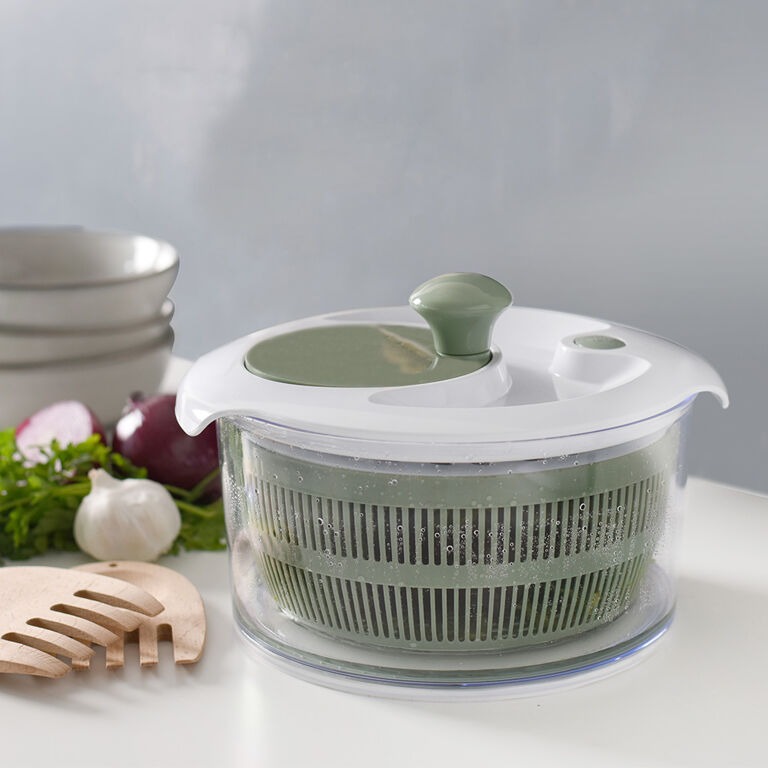
Glass, particularly borosilicate glass, is celebrated for being non-toxic, non-porous, and eco-friendly. It won’t absorb odors or stains, nor will it leach harmful chemicals like BPA or phthalates into your food, even after countless uses and dishwasher cycles. This commitment to health and safety makes a glass salad spinner a clear choice for anyone prioritizing a chemical-free kitchen.
Aesthetic Appeal and Durability
Beyond its health benefits, the visual appeal of a glass salad spinner is undeniable. Its transparent bowl allows you to admire the vibrant colors of your freshly washed greens, making food preparation a more engaging experience. Moreover, the elegant design means the bowl can seamlessly transition from a functional spinner to a stylish serving dish, eliminating the need for extra bowls and simplifying cleanup.
Durability is another hallmark of a quality glass salad spinner. While plastic can warp or degrade, a thick glass bowl is built to last, resisting scratches and maintaining its pristine appearance over time. As Chef Anya Sharma, a culinary strategist, puts it, “A glass salad spinner isn’t just a tool; it’s an investment in both the longevity of your kitchen essentials and the beauty of your culinary presentations.”
Understanding Your Glass Salad Spinner: Anatomy and Mechanics
A salad spinner glass operates on a simple yet effective principle to rid your greens of excess water, ensuring maximum crispness and flavor adhesion for your dressings.
Components: Bowl, Lid, Basket, Mechanism
At its core, a salad spinner consists of a few key components:
- The Outer Bowl: In a glass salad spinner, this is typically made of durable borosilicate glass, often designed to double as a stylish serving bowl.
- The Inner Basket/Colander: This perforated basket, usually made from BPA-free plastic or sometimes stainless steel, holds your greens while allowing water to escape during spinning.
- The Lid: This crucial component houses the spinning mechanism, which can vary by design.
- The Spinning Mechanism: Common types include pump-style (activated by a push-down knob), pull-cord, or crank handles. Pump mechanisms are often lauded for their ease of use and efficiency, allowing for one-handed operation and quick drying. Many effective models also include a brake button, which instantly stops the spinning action for easy unloading.
How It Works: Centrifugal Force Explained
The magic behind a salad spinner lies in centrifugal force. Once you activate the spinning mechanism, the inner basket rapidly rotates. This rotation creates a powerful outward force that pushes the water droplets clinging to your greens through the perforations in the basket and into the outer glass bowl, leaving your lettuce clean and dry. This process is gentle enough not to bruise delicate leaves but effective enough to remove a significant amount of moisture in seconds.
Maximizing Your Glass Salad Spinner’s Potential: Usage Guide
Using your salad spinner glass effectively is straightforward, ensuring you get the freshest greens every time.
Step-by-Step for Perfectly Dry Greens
- Rinse Your Greens: Place your loose lettuce, herbs, or other leafy greens into the inner colander basket of your salad spinner. Rinse them thoroughly under cold running water. You can even let them soak for a few minutes to loosen any stubborn dirt or grit.
- Load the Spinner: After rinsing, gently shake off excess water from the basket, then place the basket securely inside the glass bowl.
- Secure the Lid: Place the lid firmly onto the bowl. Ensure it’s properly aligned and, if your model has a locking mechanism, engage it to prevent spills.
- Spin Away!: Operate the spinning mechanism according to your model’s design (e.g., pump the knob, pull the cord, or turn the crank). Spin for about 20-30 seconds, or until your greens appear dry. Many models include a brake button to stop the spinning instantly.
- Enjoy or Store: Once your greens are dry, remove the basket. You can now transfer them to your serving plate, or for future use, store them in the glass bowl (if it has a lid) layered with a paper towel to absorb any residual moisture and maintain freshness.
Beyond Lettuce: What Else Can You Spin?
While “salad” is in the name, your salad spinner glass is a versatile tool for more than just lettuce. It’s excellent for drying:
- Fresh Herbs: Delicately dry cilantro, parsley, basil, or mint without bruising them.
- Berries: Remove excess water from fragile berries like raspberries and blueberries before serving or storing.
- Washed Vegetables: Spin smaller vegetables such as green beans, spinach, or even chopped broccoli florets after washing.
- Pasta or Noodles: Lightly spin cooked pasta or noodles to remove excess water before adding sauce, helping the sauce adhere better.
Elevating Your Culinary Game: Benefits of a Glass Salad Spinner
Choosing a salad spinner glass over other materials brings a host of advantages that enhance your cooking and lifestyle.
Fresher, Crispier Salads
The primary benefit of a salad spinner is its ability to thoroughly dry greens. Wet lettuce repels dressing, leading to a bland, watery salad. With perfectly dry greens from your glass spinner, dressings cling beautifully, ensuring every leaf is coated with flavor, resulting in a significantly more enjoyable and crisp salad experience.
Health and Safety: Toxin-Free Living
As mentioned, glass is a non-reactive material that doesn’t leach chemicals into your food, even when exposed to acidic dressings or warm conditions. This makes a glass salad spinner a healthier choice, particularly when compared to certain plastics that may contain BPA, BPS, or phthalates, which have been linked to various health concerns. Opting for glass provides peace of mind that your fresh ingredients remain pure and untainted.
Eco-Friendly Choice
In an era of increasing environmental awareness, choosing durable and reusable kitchen tools is paramount. A salad spinner glass contributes to a more sustainable kitchen. Glass is infinitely recyclable and, when well-cared for, offers exceptional longevity, reducing the need for frequent replacements that contribute to landfill waste. By investing in a high-quality glass spinner, you’re making a conscious decision to reduce your household’s plastic consumption and environmental footprint.
Caring for Your Glass Investment: Cleaning and Maintenance Tips
Maintaining your salad spinner glass is essential for its longevity and continued performance. Luckily, it’s generally an easy process.
Easy Disassembly and Washing
Most glass salad spinners are designed for easy cleaning. The lid often disassembles, allowing you to thoroughly clean all parts and prevent water or food particles from getting trapped.
- Hand Washing: While many components are dishwasher safe, hand washing with warm, soapy water is often recommended, especially for the glass bowl, to preserve its clarity and prevent potential damage.
- Dishwasher Safe Components: Check manufacturer instructions, but typically the glass bowl and plastic basket are dishwasher safe. The lid components, especially those with intricate mechanisms, might benefit from hand washing to ensure all nooks and crannies are clean and dry.
- Thorough Drying: After washing, ensure all parts are completely dry before reassembling and storing to prevent mildew buildup.
Storage and Longevity
The robust nature of glass means your spinner can last for years with proper care.
- Serving Bowl Functionality: The dual purpose of the glass bowl means it can be used directly for serving, reducing the number of dishes to wash.
- Compact Storage: Many models feature lids with locking pump mechanisms that flatten for more compact storage in cabinets or drawers.
Choosing the Right Glass Salad Spinner for Your Kitchen
Selecting the ideal salad spinner glass involves considering a few practical aspects to match your specific needs.
Size and Capacity Considerations
Think about how much salad you typically prepare.
- Smaller Households/Herbs: A 3-4 quart capacity is perfect for individual salads or drying smaller quantities of herbs and berries.
- Families/Batch Prep: For larger families or those who frequently entertain or meal prep, a 5-6 quart spinner is a more suitable choice, allowing you to dry bigger batches of greens at once. Remember, a generously sized spinner is generally more versatile, as overpacking a smaller basket can hinder effective drying.
Mechanism Types: Pull Cord vs. Pump
The spinning mechanism directly impacts ease of use:
- Pump-Style: Often found on popular models like OXO, these use a push-down knob for one-handed operation, generating powerful spins quickly and efficiently.
- Pull-Cord: These require pulling a string to initiate spinning. They can be fast but sometimes require two hands and the cord may fray over time.
- Crank Handle: These offer controlled spinning, which can be ideal for delicate produce, but some find them less powerful than pump mechanisms.
Features to Look For
- Non-Slip Base: While the weight of glass often provides stability, a non-slip base can further prevent the spinner from sliding during use.
- Removable Pivot Point: Some glass bowls have a removable disc at the center, allowing the bowl to function truly as a regular serving bowl without a “tell-tale signal” of its spinner origins.
- Dishwasher Safe: For convenience, confirm which parts are safe for the dishwasher.
- Lid Disassembly: Lids that come apart are easier to clean thoroughly and dry completely.
Frequently Asked Questions (FAQ)
Q: Why is a glass salad spinner better than a plastic one?
A: Glass salad spinners are generally preferred for their non-toxic properties, meaning they won’t leach chemicals like BPA into your food. They are also more durable, resistant to scratches and odors, and their aesthetic allows them to double as elegant serving bowls.
Q: Can I put hot food in my glass salad spinner?
A: It is generally not recommended to put hot food in your salad spinner, especially if it’s not made of borosilicate glass, which is more resistant to thermal shock. Always refer to your product’s specific guidelines.
Q: Are glass salad spinners heavy?
A: Yes, glass salad spinners tend to be heavier than their plastic counterparts due to the material. However, this weight often contributes to their stability during spinning.
Q: How long do greens stay fresh after being spun in a glass salad spinner?
A: Properly washed and thoroughly dried greens, when stored correctly (e.g., in the spinner bowl with a paper towel and lid), can stay fresh for several days, typically 7-10 days for hardy greens.
Q: What is borosilicate glass, and why is it important for a salad spinner?
A: Borosilicate glass is a type of glass known for its excellent durability and resistance to thermal shock, making it ideal for kitchenware. For a salad spinner, it means the bowl is robust and less prone to breakage compared to standard soda-lime glass.
Q: Can the glass bowl be used for other purposes besides spinning and serving salads?
A: Absolutely! The sturdy glass bowl is incredibly versatile. It can be used for mixing ingredients, marinating foods, or even as a standalone storage container for other foods in your refrigerator.
Conclusion
The salad spinner glass represents a significant step forward in kitchen innovation, marrying the timeless appeal of glass with modern functionality. It’s a tool that not only perfects your salads by ensuring crisp, dry greens but also elevates your entire kitchen aesthetic and supports a healthier, more sustainable lifestyle. From its non-toxic materials to its versatile design, a glass salad spinner is more than just a gadget; it’s an intelligent investment for anyone passionate about fresh food and a beautiful kitchen. Embrace the clarity and quality of glass, and you’ll discover a whole new level of culinary enjoyment.