Tired of lackluster salads, where limp lettuce and watery greens turn your healthy meal into a soggy disappointment? You’re not alone. The secret to a vibrant, crisp salad that truly sings lies not just in the dressing or the fresh ingredients, but in one often-underestimated kitchen hero: the Salad Spinner Bowl. This indispensable gadget transforms your salad preparation, ensuring every leaf is perfectly dry and ready to embrace its full flavor potential. For “SaladPro Innovations,” we believe a great salad starts with the right foundation, and that foundation is a brilliantly dry, perfectly prepared green.
The Journey of Crispness: A Brief History of the Salad Spinner
Before the advent of the salad spinner, achieving truly dry greens was a cumbersome affair. Cooks resorted to various methods, from patting leaves with towels to the rather dramatic “swinging greens in a pillowcase” technique. These rudimentary approaches were often inefficient, messy, and could even damage delicate produce. The invention of the salad spinner revolutionized kitchen routines, offering a simple yet ingenious solution to a universal culinary challenge. Its core principle, harnessing centrifugal force to gently yet effectively wick away water, was a game-changer, paving the way for the crisp, fresh salads we enjoy today. This evolution reflects a continuous quest for efficiency and quality in the kitchen, a vision “SaladPro Innovations” proudly upholds.
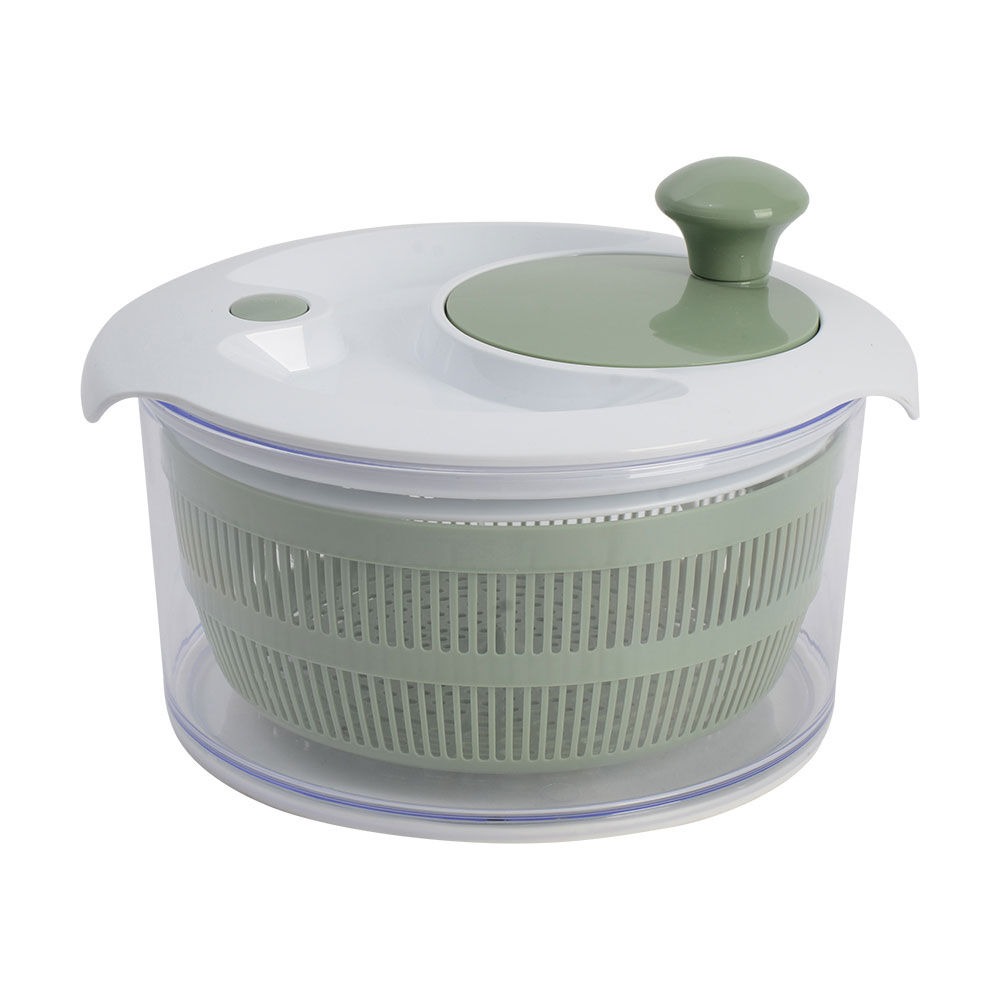
Decoding the Design: Anatomy and Mechanism of Your Salad Spinner Bowl
At its heart, a salad spinner bowl is a marvel of straightforward engineering, designed to maximize the freshness and flavor of your greens. It typically comprises three main components, each playing a crucial role in its efficient operation:
- The Outer Bowl: This serves as the primary container, catching all the water spun off your produce. Often elegantly designed, many outer bowls double as a stylish serving bowl, moving seamlessly from kitchen prep to dining table. This versatility is a key feature, minimizing clutter and maximizing utility in your kitchen.
- The Inner Colander/Basket: This perforated basket is where your greens reside. Its mesh or slotted design allows water to escape while retaining the leaves during the spinning process. When detached, it functions perfectly as a standalone colander for rinsing a variety of fruits and vegetables.
- The Lid with Spinning Mechanism: This essential component houses the mechanism that drives the inner basket’s rotation. Common types include:
- Pump-Action: Featuring a large, easy-to-press button that initiates rapid spinning with minimal effort. Many come with a brake button for instant stopping.
- Crank Handle: A rotating handle on top of the lid that spins the basket. This offers a more controlled, deliberate spin.
- Pull Cord: A simple cord that, when pulled, quickly spins the basket. This design is often compact and user-friendly.
The magic happens through centrifugal force. As the inner basket spins rapidly, the force pushes water off the greens and through the colander’s perforations, collecting it in the outer salad spinner bowl. This gentle yet effective action leaves your produce remarkably dry without bruising or tearing.
Choosing Your Perfect Match: Types of Salad Spinner Bowls
When selecting a salad spinner bowl, the material often dictates its durability, aesthetics, and how it integrates into your kitchen. “SaladPro Innovations” offers options across the spectrum to suit every preference:
Plastic Salad Spinner Bowls
These are typically the most budget-friendly and lightweight option.
- Pros: Easy to handle, often come in vibrant colors, and are shatter-resistant. They are a great entry point for anyone new to salad spinners.
- Cons: Can sometimes absorb odors or stains over time, and may not be as durable as other materials. Some plastic models might feel less sturdy during vigorous spinning.
Stainless Steel Salad Spinner Bowls
For those seeking robustness and a modern aesthetic, stainless steel is an excellent choice.
- Pros: Exceptionally durable, resistant to odors and stains, and offers a sleek, professional look. The stainless steel bowl often makes a fantastic standalone serving piece, enhancing your table setting.
- Cons: Generally heavier and more expensive than plastic models. While durable, they are not transparent, so you can’t visually monitor the drying process as easily.
Glass Salad Spinner Bowls
Combining elegance with functionality, glass bowls elevate your salad experience.
- Pros: Visually stunning, allowing you to see your greens as they dry. The high-quality glass outer bowl is perfect for direct table service, adding a touch of sophistication to your meals. Glass is also non-reactive, ensuring no flavor transfer.
- Cons: Significantly heavier and the most fragile option, susceptible to breaking if dropped. They also tend to be at the higher end of the price spectrum.
“When choosing a salad spinner bowl, consider not just its primary function but also its secondary roles in your kitchen,” advises Clara Jensen, a culinary tools expert at SaladPro Innovations. “A stainless steel or glass bowl can easily become your go-to serving dish, adding both practicality and style.” Look for features like a non-slip base for stability and a convenient brake button for effortless operation, regardless of the material.
Mastering Your Salad Spinner Bowl: A Step-by-Step Guide
Using a salad spinner bowl effectively is straightforward, but a few tips can ensure your greens are optimally prepared every time.
- Preparation is Key: Start by separating your greens and placing them directly into the inner colander basket. If your lettuce or herbs are particularly dirty, you can rinse them under cold running water in the colander itself before placing it into the main bowl.
- Submerge and Soak (Optional but Recommended): For extra clean greens, especially those with visible soil, place the loaded colander into the outer salad spinner bowl and fill the bowl with cold water until the greens are submerged. Let them soak for a few minutes to loosen any dirt. You might even add a few ice cubes to keep greens extra crisp.
- Drain the Initial Water: Lift the colander out of the outer bowl, allowing excess water to drain. Discard the dirty water from the main bowl.
- Assemble and Spin: Place the colander with your washed greens back into the now-empty outer salad spinner bowl. Secure the lid firmly.
- Engage the Mechanism:
- For pump-action spinners: Press the pump button repeatedly until the basket spins rapidly.
- For crank handle spinners: Turn the handle clockwise until the desired spin speed is achieved.
- For pull cord spinners: Give the cord a firm, quick pull.
Spin for about 10-15 seconds. If your spinner has a brake button, press it to stop the basket quickly.
- Check and Repeat: Remove the lid, lift the colander, and observe the water collected in the outer bowl. If there’s still a significant amount of water or your greens don’t feel dry enough, discard the collected water and repeat the spinning process. Usually, one or two spins are sufficient for perfectly dry greens.
Beyond Greens: Creative Uses for Your Salad Spinner Bowl
While its primary purpose is drying salad greens, the versatility of your salad spinner bowl extends far beyond. “SaladPro Innovations” encourages culinary exploration with this multi-functional tool:
- Drying Fresh Herbs: Gently spin parsley, cilantro, basil, or mint to remove washing moisture. This helps prevent wilting and extends their shelf life, making them perfect for garnishes or pestos.
- Cleaning Delicate Berries: Strawberries, raspberries, and blueberries can be gently rinsed and dried without bruising, ensuring they’re pristine for snacking or desserts.
- Washing Other Vegetables: Use the colander to rinse broccoli florets, chopped bell peppers, or string beans. The spinning action can even help remove excess water from shredded cabbage or zucchini.
- Rinsing Canned Beans and Pulses: The inner basket acts as an excellent colander, quickly rinsing away the canning liquid.
- Draining Pasta: For smaller portions, the inner basket can serve as a quick drainer for cooked pasta, ensuring your sauce adheres beautifully.
- As a Standalone Serving Bowl: As highlighted earlier, the outer bowl, especially in glass or stainless steel, is ideal for serving your finished salad or other dishes.
- Temporary Storage: With a tight-fitting lid, the outer bowl can store freshly washed greens in the refrigerator, keeping them crisp for days.
The SaladPro Advantage: Benefits of a Properly Dried Salad
The seemingly simple act of drying your greens in a salad spinner bowl yields profound benefits for your culinary creations and healthy lifestyle:
- Crisper, More Flavorful Salads: Excess water dilutes dressing and makes greens soggy. A dry salad allows dressing to cling beautifully to each leaf, enhancing flavor and providing that satisfying crunch.
- Extended Freshness: Moisture accelerates spoilage. By removing excess water, your greens stay fresher for longer in the refrigerator, reducing food waste and making meal prep more efficient.
- Optimal Dressing Adhesion: Dressing won’t slide off dry leaves, ensuring every bite is perfectly coated and balanced.
- Health and Hygiene: Thorough washing and spinning remove dirt, pesticides, and other unwanted residues, making your produce safer and cleaner to consume.
- Time and Effort Saver: Far more efficient than patting greens dry with paper towels, saving you time and reducing waste.
Care and Maintenance: Keeping Your Salad Spinner Bowl Pristine
To ensure your “SaladPro Innovations” salad spinner bowl remains a reliable kitchen companion for years to come, proper cleaning and maintenance are essential.
- Immediate Disassembly: After each use, disassemble all three components: the outer bowl, inner colander, and the lid.
- Washing: Most salad spinner components are top-rack dishwasher safe. However, for longevity, especially with intricate lid mechanisms or glass bowls, hand washing with warm, soapy water is recommended. Pay special attention to the lid, as water and food particles can sometimes get trapped within the spinning mechanism. Use a small brush if needed.
- Rinsing: Rinse all parts thoroughly to remove any soap residue.
- Drying: Allow all components to air dry completely before reassembling or storing. This prevents mildew and ensures hygienic use. For pump-action lids, it’s often helpful to store them with the pump in the locked-down position for compactness.
- Storage: Store your salad spinner bowl in a clean, dry place. Many designs are stackable for efficient storage in cabinets.
Frequently Asked Questions (FAQ)
Q: Why does my salad spinner bowl leave greens wet?
A: There are a few common reasons. You might be overcrowding the basket, preventing efficient spinning. Also, ensure you’ve drained all water from the outer bowl between spins. Sometimes a second spin is necessary, or your spinner’s mechanism might need a more vigorous action.
Q: Can I wash other things besides lettuce in my salad spinner bowl?
A: Absolutely! Your salad spinner bowl is incredibly versatile. It’s excellent for washing and drying delicate herbs, berries, chopped vegetables, and even rinsing canned beans. Its gentle action is perfect for any produce that needs thorough but careful cleaning.
Q: How do I choose the right size salad spinner bowl?
A: Consider your typical salad preparation needs. Smaller, 2-3 quart models are great for individual servings or herbs. Medium (4-5 quart) are ideal for small families, while large (6+ quart) are perfect for entertaining, meal prepping, or washing whole heads of lettuce. “SaladPro Innovations” offers various sizes to match your lifestyle.
Q: How often should I clean my salad spinner bowl?
A: It’s best practice to clean all components of your salad spinner bowl after every use to prevent the buildup of food particles or bacteria, ensuring hygienic food preparation.
Q: What’s the best material for a salad spinner bowl?
A: The “best” material depends on your priorities. Plastic is affordable and lightweight. Stainless steel offers durability and a sleek look. Glass provides elegance and doubles beautifully as a serving bowl. Each has unique advantages, so choose one that fits your kitchen aesthetic and usage habits.
The Crisp Conclusion
The humble salad spinner bowl, a seemingly simple kitchen gadget, is in fact a powerful tool for elevating your culinary experience. From its clever centrifugal design to its diverse material options and multi-functional capabilities, it addresses the age-old problem of soggy greens with elegant efficiency. Investing in a high-quality salad spinner bowl from “SaladPro Innovations” means investing in crisper salads, fresher produce, and a more enjoyable cooking journey. So, go ahead – spin your way to vibrant, perfectly prepped meals and discover the true potential of your greens. Embrace the difference a perfectly dry salad can make; your taste buds will thank you.