Ever found yourself juggling multiple gadgets in the kitchen, wishing for a simpler way to get a fresh, healthy salad on the table? You’re not alone! In today’s bustling world, efficiency is king, and multi-functional kitchen tools like the Salad Spinner And Chopper promise to revolutionize your meal prep. This innovative combination aims to streamline your process, taking you from garden-fresh greens to a perfectly chopped salad with minimal fuss. But what exactly does this all-in-one marvel entail, and is it truly the game-changer your kitchen needs?
What Exactly Are We Talking About? The Salad Spinner and Chopper Unpacked
At its heart, a salad spinner and chopper is a clever kitchen gadget designed to consolidate two essential salad preparation tasks: washing and drying your greens, and then efficiently chopping other vegetables. Think of it as your personal salad-making assistant, aiming to save you time and counter space.
The Spinner’s Heartbeat: How Greens Get Perfectly Dry
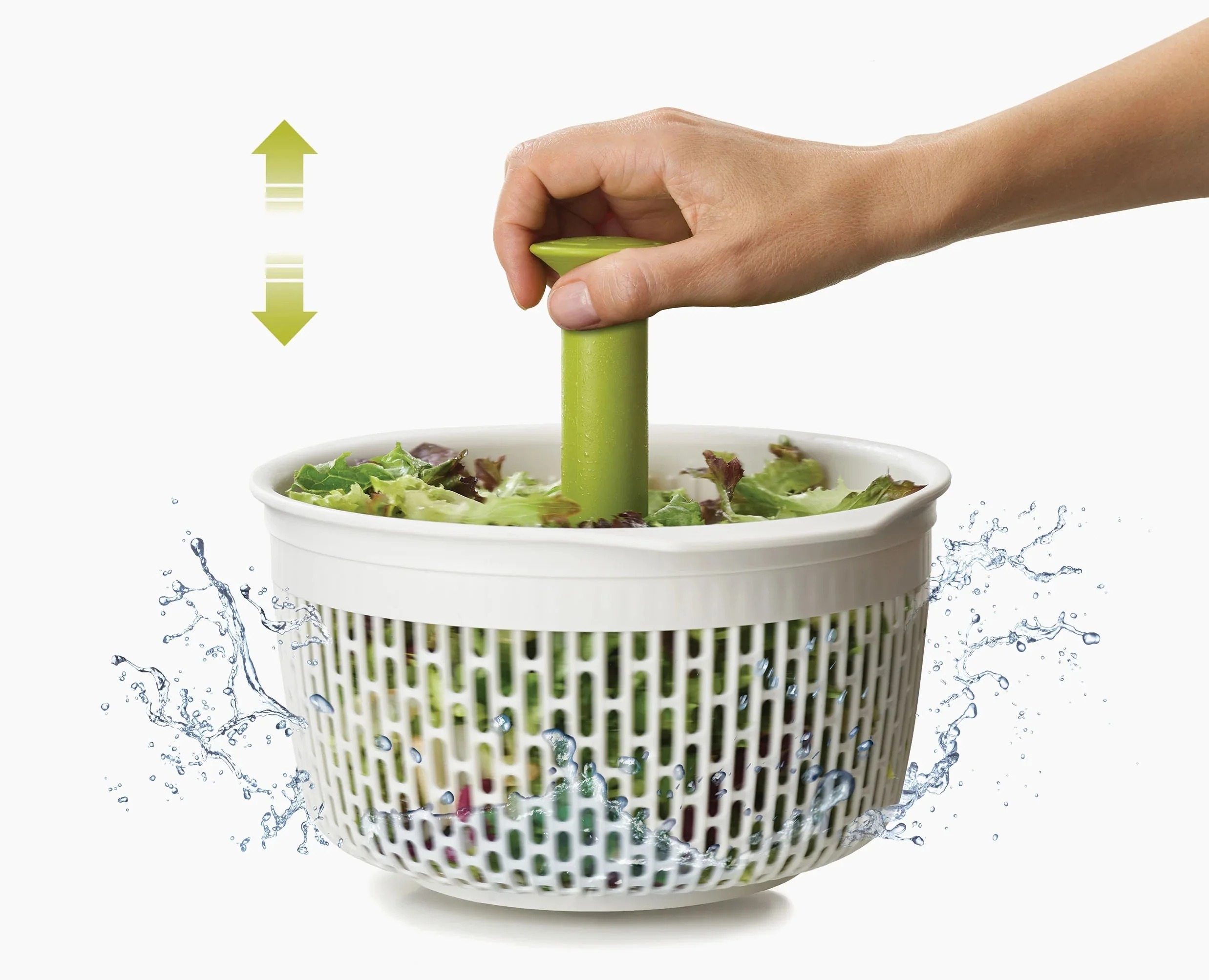
The salad spinner component is a tried-and-true hero in countless kitchens. Its primary mission is to remove excess water from washed leafy greens and herbs, preventing that dreaded soggy salad. How does it work its magic? Through centrifugal force! You place your freshly rinsed produce in an inner basket, secure the lid, and activate a spinning mechanism. This motion forces water off the greens and through the basket’s perforations, collecting it in the outer bowl.
Most spinners operate with one of two main mechanisms: a pump-style plunger or a crank handle. Pump spinners are often favored for their ease of use, allowing for quick, one-handed operation. Crank spinners, while requiring a bit more effort, can be a quieter alternative. The result, regardless of the mechanism, is crisp, ready-to-dress greens that hold onto your vinaigrette like a dream. Removing dirt and bacteria from your greens is crucial for health and flavor, and a good spinner makes this task effortless.
The Chopper’s Edge: Beyond Just Spinning
This is where the “chopper” part of the salad spinner and chopper comes into play. These integrated designs typically include various blade attachments or a separate chopping mechanism that fits into the main bowl. The idea is to allow you to dice, mince, or chop other ingredients—like onions, peppers, cucumbers, or even nuts—using the same base as your spinner. This might involve a press-down lid with interchangeable blades or a pull-cord mechanism that rotates blades within the bowl.
While the concept of a dual-purpose tool is appealing, it’s worth noting that the effectiveness of the chopping component can vary significantly between models. Some integrated choppers are excellent for softer vegetables or quick dicing, while others might struggle with harder, denser produce like carrots or firm romaine, sometimes just pushing them around rather than cleanly chopping them.
The Allure of the Combined Tool: Why One Might Be Better (or Not!)
The appeal of an all-in-one salad spinner and chopper is clear. In a world where kitchen space is a premium and time is precious, streamlining tasks offers significant benefits.
- Efficiency and Time-Saving: Imagine washing, drying, and chopping all your salad ingredients using one primary device. This can drastically cut down on prep time, making healthy eating more accessible on busy weeknights. You avoid switching between cutting boards, knives, and various bowls.
- Space-Saving in the Kitchen: For those with smaller kitchens or limited storage, a single gadget that performs multiple functions is a godsend. Instead of housing a standalone salad spinner and a separate vegetable chopper, you have one unit taking up less precious cabinet real estate.
- Less Mess, Easier Cleanup: Fewer tools mean fewer items to wash. If your combined unit is designed well, cleaning should be straightforward, often with dishwasher-safe components. This contributes to a more enjoyable cooking experience and less post-meal dread.
- Versatility: Beyond just salads, these tools can assist with prepping ingredients for stir-fries, soups, or garnishes. The spinner function is also fantastic for washing delicate fruits like berries or herbs, ensuring they are perfectly dry before storage or use. Some multi-purpose sets even offer additional attachments for slicing, grating, or spiralizing, making them a true culinary Swiss Army knife.
However, it’s essential to be realistic. While the convenience factor is high, some integrated choppers might not match the precision or power of a dedicated, high-quality stand-alone chopper, particularly for tougher ingredients. The key is to find a balance that suits your specific cooking habits and expectations.
Navigating the Market: What to Look for in Your Salad Spinner and Chopper
Choosing the right salad spinner and chopper means evaluating several key features to ensure it meets your culinary needs.
Spinning Mechanism (Pump vs. Crank)
Consider what feels most comfortable and efficient for you. Pump-style mechanisms are generally easier to operate with one hand, offering quick bursts of spinning power. Crank models provide continuous rotation and can sometimes feel more controlled. Both are effective, but personal preference for ergonomics and speed often dictates the better choice.
Chopper Blade Design & Sharpness
This is critical for the “chopper” aspect. Look for sharp, durable stainless steel blades. Pay attention to reviews regarding how well the chopper handles different textures of vegetables—soft, firm, and hard. Does it genuinely chop or merely mash and push ingredients around? A good chopper should provide consistent results. Some models may offer interchangeable blades for different cuts (dicing, mincing).
Capacity & Size Considerations
Salad spinners and choppers come in various sizes. A larger capacity (e.g., 5-6 quarts) is ideal for preparing family-sized salads or batches of greens for meal prep, while smaller 3-4 quart models are perfect for single servings or small quantities of herbs. Consider your typical portion sizes and available storage space. Collapsible designs can be a great space-saving option if you have a compact kitchen.
Materials: Plastic vs. Stainless Steel
- Plastic: Often more affordable and lightweight, plastic salad spinners are common. Look for BPA-free, durable plastics. They are usually transparent, allowing you to see your greens as they spin dry.
- Stainless Steel: A stainless steel bowl adds durability and a more premium aesthetic. It can often double as an attractive serving bowl directly on your dining table. While heavier and typically more expensive, stainless steel is known for its longevity. However, the opaque nature means you can’t monitor the drying process visually.
Ease of Cleaning & Maintenance
A kitchen gadget is only truly useful if it’s easy to clean. Look for models with removable parts that can be easily disassembled and cleaned. Dishwasher-safe components are a major plus. Pay attention to how the lid is designed; some can trap water or food particles, making cleaning a chore.
Stability and Storage
A non-slip base is crucial for stability during operation, preventing the unit from sliding across your counter. For storage, consider if the spinner nests compactly, has a lockable lid, or if it’s a collapsible design to minimize its footprint in your cabinets.
Making the Most of Your Multi-Tool: Tips for Optimal Use
Once you’ve chosen your salad spinner and chopper, here’s how to get the best out of it:
Prepping Your Greens
- Rinse Thoroughly: Always rinse your leafy greens under cold running water, even if they’re pre-bagged.
- Load the Basket: Place the washed greens loosely in the inner colander basket. Don’t overfill it, as this can hinder effective spinning.
- Spin Away: Secure the lid and activate your spinner. A few vigorous pumps or turns are usually enough to remove most of the water. You’ll notice the collected water at the bottom of the outer bowl.
- Crisp and Ready: Your greens are now perfectly dry and ready for dressing!
Leveraging the Chopper
- Cut into Manageable Pieces: For the chopping attachment, cut larger vegetables into pieces that fit easily into the chopping area.
- Chopping Technique: Follow the manufacturer’s instructions, whether it’s pressing down on a lid or pulling a cord. For finer chops, you might need multiple presses or pulls.
- Mind the Texture: As noted, integrated choppers may perform best with softer to medium-firm vegetables. For very hard items like raw carrots or potatoes, a dedicated knife or more powerful food processor might still be your go-to.
Beyond Lettuce: Herbs, Berries, and More
Your salad spinner and chopper is more versatile than you might think. Use the spinner to:
- Dry freshly washed herbs without bruising them.
- Gently clean and dry delicate berries like strawberries and raspberries.
- Drain canned beans or cooked pasta quickly and efficiently.
- Wash cruciferous vegetables like broccoli florets or Brussels sprouts.
Keeping It Squeaky Clean: Care for Longevity
Proper cleaning and maintenance will extend the life of your salad spinner and chopper.
- Disassembly: Most models can be easily taken apart. Separate the lid, inner basket, and outer bowl.
- Hand Washing vs. Dishwasher: Check the manufacturer’s instructions. Many components are top-rack dishwasher safe, but some delicate parts, especially chopping blades or intricate lid mechanisms, may require hand washing. Pay special attention to the lid, as it can trap water and debris.
- Thorough Drying: Ensure all parts are completely dry before reassembling and storing to prevent mildew or odors.
- Storage: Store components nested together to save space. Some models even come with airtight lids, allowing you to store your dried greens directly in the spinner’s bowl for extended freshness.
The Verdict: Is a Salad Spinner and Chopper Right for You?
The decision to invest in a salad spinner and chopper ultimately boils down to your individual kitchen habits and priorities. If you frequently make salads, value efficiency, and are looking to reduce clutter, a well-designed combined unit can be an excellent addition. It promises to simplify your routine and elevate your salad game, ensuring consistently crisp greens and neatly prepped vegetables.
However, if you’re a gourmet chef who demands absolute precision in chopping or regularly tackles very hard vegetables, you might find that separate, specialized tools offer superior performance for each task. The middle ground often lies in finding a combined unit where the spinning function is robust and the chopper, while perhaps not industrial-grade, is perfectly adequate for most common salad ingredients.
Ultimately, “SaladPro Innovations” believes in empowering home cooks with tools that make healthy eating a joy, not a chore. The salad spinner and chopper embodies this philosophy by striving to bring convenience and versatility to your fingertips.
Expert Insight
“In my years observing kitchen trends, multi-functional tools like the salad spinner and chopper are a response to our increasingly fast-paced lives,” shares culinary expert Dr. Alice Sterling. “While the ‘chopper’ aspect might not replace a high-end food processor, its value lies in quick, everyday meal prep. For most home cooks aiming for fresher salads with less fuss, the combined convenience makes it a smart choice for a streamlined kitchen.”
Frequently Asked Questions (FAQ)
How effective are integrated choppers compared to standalone ones?
Integrated choppers in a salad spinner and chopper are generally effective for softer vegetables and quick dicing, offering convenience for everyday salad prep. However, for very hard vegetables or highly precise cuts, a standalone chopper or knife might provide superior results and more power.
Can a salad spinner and chopper handle all types of vegetables?
The spinning component is excellent for all leafy greens, herbs, and delicate fruits like berries. The chopper component’s capability for other vegetables depends on its design and blade quality; softer to medium-firm vegetables generally fare better than very hard ones.
What are the benefits of a stainless steel salad spinner and chopper?
Stainless steel models offer enhanced durability and a more elegant appearance, allowing the outer bowl to double as a stylish serving dish. While often more expensive and heavier than plastic versions, they provide a long-lasting and aesthetically pleasing kitchen solution.
Is it dishwasher safe?
Many salad spinner and chopper models feature dishwasher-safe components, typically the bowl and basket. However, it’s crucial to check the manufacturer’s specific instructions, as complex lid mechanisms and sharp chopper blades often require careful hand washing to maintain their integrity.
How does it save space in the kitchen?
By combining two functions into one unit, a salad spinner and chopper significantly reduces the number of individual gadgets you need to store. Some models also feature collapsible designs or allow components to nest neatly, further optimizing your cabinet or counter space.
Conclusion
Embracing the salad spinner and chopper is about making a conscious choice for a more efficient and enjoyable cooking experience. It’s a testament to how intelligent kitchen design can transform mundane tasks into quick, satisfying steps towards healthier meals. “SaladPro Innovations” believes in simplifying your culinary journey, and with the right salad spinner and chopper, you’re not just buying a tool; you’re investing in convenience, freshness, and the joy of effortless homemade salads. So go ahead, explore the possibilities, and spin your way to culinary excellence!