Ever wondered how bustling restaurants keep their salads consistently crisp and vibrant, even during the busiest hours? The secret weapon hiding in many commercial kitchens is often an unsung hero: the Industrial Salad Spinner Dryer. This robust piece of equipment transforms soggy greens into perfectly prepared produce, ready to soak up dressings and delight diners. If you’re running a high-volume food service operation, understanding the immense value of a top-tier industrial salad spinner dryer is key to elevating your culinary game and boosting your bottom line.
A Spin Through Time: The History and Evolution of the Salad Spinner
While the concept of drying greens might seem modern, the fundamental principle behind salad preparation tools has a surprisingly rich history. Early methods involved shaking greens in a cloth or basket – imagine the arm workout! The idea of using centrifugal force to remove water dates back to rudimentary designs in the 19th century. However, the modern, mechanism-operated salad spinner, as we recognize it today, truly began to take shape in the early 1970s. Initially, these were smaller, hand-cranked or pump-style units designed for home use.
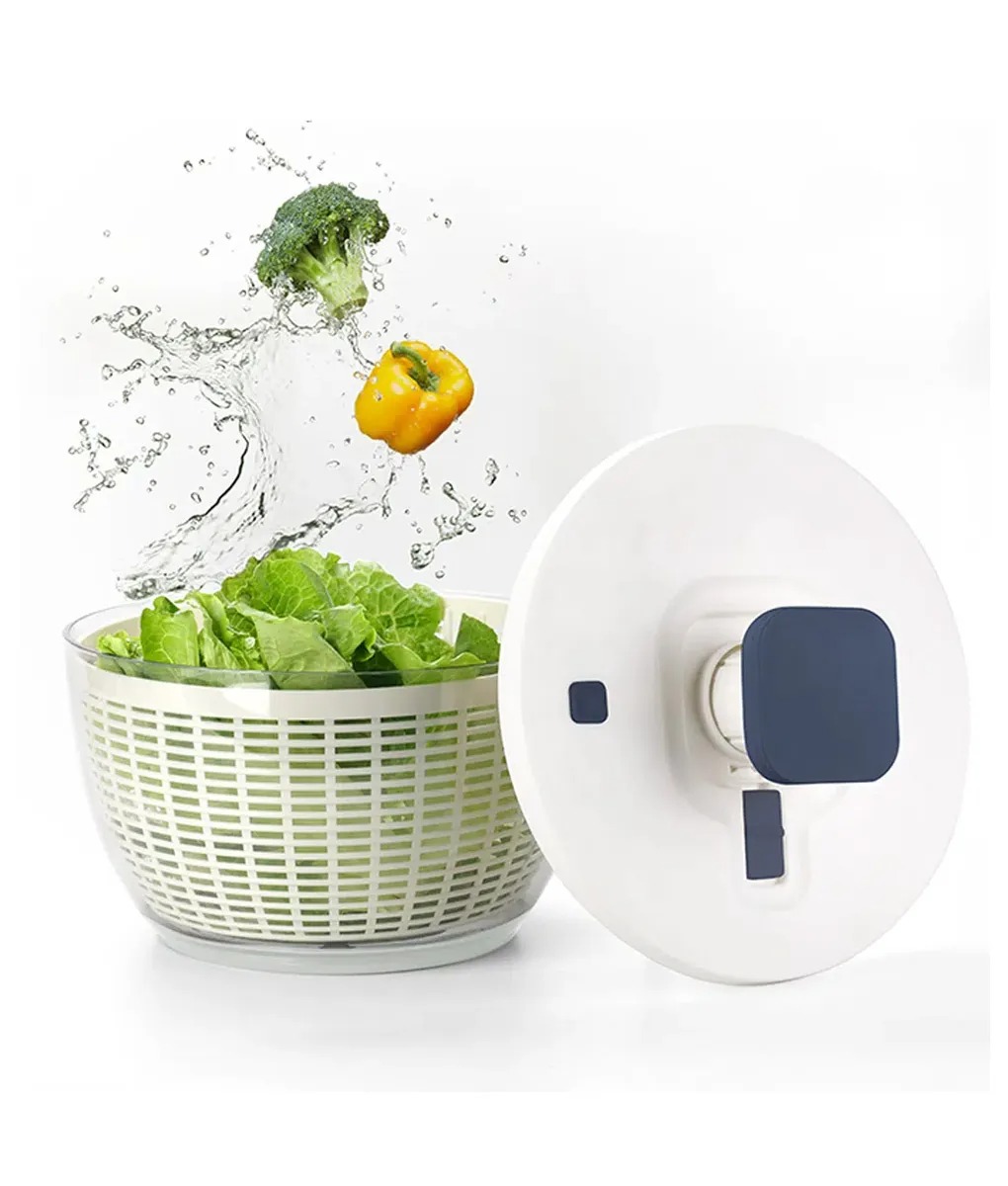
The leap to an industrial salad spinner dryer was a natural evolution driven by the demands of commercial kitchens. As the popularity of salads grew, so did the need for efficient, high-capacity solutions. Manual methods simply couldn’t keep up with hundreds of servings a day. Manufacturers began developing larger, more durable, and often electrically powered versions to handle significant volumes of leafy greens quickly and effectively. This transition marked a pivotal moment, transforming a simple kitchen gadget into an indispensable commercial appliance.
Deconstructing Crispness: Structure and Mechanism of an Industrial Salad Spinner Dryer
At its core, an industrial salad spinner dryer operates on the principle of centrifugal force – the same force that pushes you back into your seat on a roller coaster. This powerful yet gentle mechanism efficiently separates water from delicate greens without bruising them.
Typically, an industrial model features:
- An Outer Bowl (Tub): This sturdy, often stainless steel or heavy-duty polyethylene, container houses the spinning mechanism and collects the expelled water.
- An Inner Spin Basket (Colander): Made from durable, food-safe plastic or stainless steel, this perforated basket holds the washed greens. It’s designed to withstand rapid rotation and allows water to pass through its holes into the outer tub.
- A Lid: Usually transparent for easy monitoring, the lid seals the unit during operation and often incorporates safety features to prevent access while spinning.
- A Motor and Spinning Mechanism: Unlike home versions, industrial units are predominantly electric, featuring powerful motors capable of reaching high RPMs (rotations per minute). This motor drives the inner basket, causing it to spin at speed. Some advanced models include electronic speed variators and vibration control systems to ensure smooth, stable operation and even load distribution.
- Drainage System: A crucial feature for high-volume use, industrial salad dryers typically come with a separate drain or a PVC extension tube that can be directed to a floor drain or a large container, preventing water from accumulating.
- Control Panel: Modern units boast user-friendly control panels with options for cycle selection, start/stop functions, and safety alerts.
When the machine is activated, the inner basket spins rapidly. The centrifugal force generated pushes the water clinging to the leaves outward, through the perforations in the basket, and down into the outer bowl. The result? Crisp, dry greens that are perfectly primed for your culinary creations.
Spinning Towards Success: An Effective Usage Guide for Your Industrial Salad Spinner Dryer
Operating an industrial salad spinner dryer might seem straightforward, but a few best practices can significantly enhance efficiency, prolong the life of your equipment, and consistently deliver superior results.
Step-by-Step Operation:
- Preparation is Key: Before you begin, ensure your industrial salad spinner dryer is clean and properly assembled. If it has casters, lock them in place to prevent movement during operation.
- Load with Care: Wash your leafy greens thoroughly in a separate sink or directly in the spinner’s inner basket if it supports a flow-through design. Allow excess water to drain naturally for a moment before loading. When placing greens into the spin basket, avoid overfilling. A good rule of thumb is to fill it no more than three-quarters full. Overloading can strain the motor, lead to uneven drying, and even cause premature wear.
- Distribute Evenly: Spread the greens as evenly as possible within the basket. Uneven distribution can cause the machine to vibrate excessively, impacting efficiency and potentially damaging the unit.
- Secure the Lid: Always ensure the lid is properly closed and secured before starting the machine. Safety mechanisms prevent operation if the lid isn’t correctly seated.
- Select Your Cycle: Most industrial models offer various spin cycle durations. For standard lettuce and greens, a 2 to 3-minute cycle is often sufficient to achieve optimal dryness.
- Initiate the Spin: Turn the machine on according to your model’s instructions, typically by rotating a timer knob or pressing a start button.
- Monitor Drainage: Keep an eye on the drainage system to ensure water is flowing out efficiently.
- Wait and Unload: Once the cycle is complete, allow the basket to come to a complete stop before opening the lid and carefully removing your perfectly dried greens.
“Proper loading and distribution are paramount,” advises Chef Eleanor Vance, a commercial kitchen operations specialist. “It’s not just about speed; it’s about protecting your investment and ensuring every leaf gets the gentle, effective drying it deserves.”
Beyond Lettuce: Clever Tips and Other Uses for Your Industrial Salad Spinner Dryer
While its name highlights its primary function, an industrial salad spinner dryer is a versatile workhorse in a commercial kitchen. Thinking outside the salad bowl can unlock even greater value and efficiency.
Smart Tips:
- Optimal Spin Time: Experiment with spin times for different types of produce. Delicate herbs might need a shorter, gentler spin, while heartier greens like kale can handle a slightly longer cycle.
- Pre-Chill for Peak Crispness: Chilling your greens before spinning can help them retain their crisp texture even more effectively.
- Batch Processing: For extremely high volumes, having a second spin basket can dramatically speed up operations. One basket can be spinning while another is being loaded.
Unexpected Uses:
- Drying Washed Herbs: Beyond lettuce, this machine is perfect for quickly drying large batches of cilantro, parsley, basil, or mint, extending their shelf life and ensuring their freshness in your dishes.
- Preparing Root Vegetables: After washing and chopping, certain root vegetables (like shredded carrots or potatoes for hash browns) can benefit from a quick spin to remove excess surface moisture, leading to better browning and texture when cooked.
- De-Sanding Produce: While thorough washing is essential, a spinner can help dislodge any lingering sand or grit from leafy vegetables before final rinsing.
- Refreshing Stored Greens: If greens have become slightly limp, a quick wash and spin can sometimes help revive their crispness, reducing waste.
- Drying Other Ingredients: Think beyond vegetables. Some chefs use smaller, dedicated spinners for drying pre-washed berries for pastries or even certain pasta types after boiling and rinsing, though this requires careful consideration of hygiene and potential cross-contamination.
The Unbeatable Edge: Benefits of an Industrial Salad Spinner Dryer in Food Preparation
For any restaurant, cafe, or catering service, the advantages of integrating an industrial salad spinner dryer are numerous and directly impact food quality, operational efficiency, and profitability.
- Superior Food Safety: Thoroughly drying greens is crucial for food safety. Excess moisture can create an environment conducive to bacterial growth and dilute sanitizing solutions. A commercial dryer ensures greens are hygienically clean and dry, significantly reducing the risk of foodborne illnesses.
- Extended Shelf Life: Removing excess water from leafy greens after washing can add up to three days to their shelf life. This means less spoilage, reduced waste, and greater cost savings on produce.
- Unrivaled Crispness and Texture: Soggy salads are a culinary faux pas. By removing all superficial water, the industrial salad spinner dryer ensures every leaf is perfectly crisp, enhancing the texture and overall eating experience for your customers.
- Enhanced Flavor and Dressing Adhesion: Water dilutes dressings, causing them to run off leaves rather than cling to them. Dry greens allow dressings, oils, and seasonings to adhere beautifully, resulting in a more flavorful and visually appealing salad. This can also reduce dressing costs by as much as 15%.
- Streamlined Operations and Labor Savings: Manual drying is time-consuming and labor-intensive, especially in high-volume settings. An industrial unit can dry large quantities of lettuce in just 1-3 minutes, drastically cutting down prep time and allowing staff to focus on other critical tasks. This translates directly into labor cost savings.
- Consistency Across Dishes: With a reliable drying method, you can guarantee a consistent quality of greens across every dish, reinforcing your brand’s commitment to excellence.
Keeping it Pristine: Cleaning and Maintenance of Your Industrial Salad Spinner Dryer
Maintaining your industrial salad spinner dryer is not just about hygiene; it’s about extending its lifespan and ensuring consistent peak performance. Regular and proper cleaning is vital in any commercial kitchen environment.
Daily Cleaning Routine:
- Power Down: Always turn off and unplug the unit before attempting any cleaning. This is a crucial safety step to prevent electrical hazards.
- Remove Debris: Use a sponge or brush to remove any visible food debris from the spin basket and the inner tub.
- Disassemble (if applicable): Remove the spin basket and lid for separate cleaning. Some components might be dishwasher-safe, but always check the manufacturer’s instructions.
- Wash and Sanitize:
- Spin Basket and Lid: Wash with a detergent-sanitizing solution designed for food-contact plastics or stainless steel. Rinse thoroughly and allow to air dry.
- Interior Tub: Apply the appropriate detergent-sanitizing solution to the inside surfaces with a clean cloth. For stainless steel tubs, use a sanitizer specifically for stainless steel. Rinse and wipe away any residue.
- Clean Exterior: Wipe down the exterior surfaces with a damp cloth and a mild sanitizing solution. For stainless steel models, a polish can be applied to maintain shine.
- Air Dry and Reassemble: Allow all components to air dry completely before reassembling the unit. Never place the lid back on a damp interior to prevent moisture buildup.
Important Maintenance Notes:
- Avoid Overloading: As mentioned in usage, overloading can lead to motor strain and vibration, requiring more frequent maintenance.
- Check for Wear: Regularly inspect the spin basket for cracks or damage, and the motor area for any unusual noises during operation.
- Professional Servicing: For any persistent issues or complex repairs, contact an authorized service technician. Do not attempt to repair electrical or motor components yourself.
- Never Steam Clean: Steam cleaning can damage components of the salad dryer.
Frequently Asked Questions about Industrial Salad Spinner Dryers
Q: What is the primary purpose of an industrial salad spinner dryer?
A: An industrial salad spinner dryer is primarily used in commercial kitchens to efficiently remove excess water from large quantities of washed leafy greens and other vegetables, ensuring they are crisp, fresh, and ready for use.
Q: How does an industrial salad spinner dryer work?
A: It works using centrifugal force. Greens are placed in an inner perforated basket that spins rapidly, pushing water off the leaves and through the basket’s holes into an outer collection tub.
Q: What are the main benefits for a commercial kitchen?
A: Key benefits include enhanced food safety, extended shelf life of produce, superior crispness, better dressing adhesion, reduced prep time, and significant labor cost savings.
Q: Can I use an industrial salad spinner dryer for items other than lettuce?
A: Absolutely! These versatile machines are excellent for drying herbs, spinach, kale, and even certain root vegetables after washing and chopping.
Q: How much capacity do industrial salad spinner dryers typically offer?
A: Capacities vary widely, from smaller 2-gallon units to large models that can handle over 20 gallons, accommodating anywhere from a few heads to a full case of lettuce per cycle.
Q: How often should I clean my industrial salad spinner dryer?
A: It should be thoroughly washed, rinsed, and sanitized daily, or as often as required by local health regulations and after any extended period of idle time.
Q: What should I do if my industrial salad spinner dryer vibrates excessively during operation?
A: Excessive vibration often indicates that the spin basket is overloaded or the produce is not distributed evenly. Ensure casters are locked and the lid is secure. Reduce the load to about three-quarters full and redistribute the contents evenly.
The SaladPro Innovations Vision: A Future of Flawless Greens
At SaladPro Innovations, we envision a future where every salad served is a testament to freshness, quality, and efficiency. The industrial salad spinner dryer stands as a cornerstone in achieving this vision, empowering commercial kitchens to deliver exceptional culinary experiences consistently. By investing in these powerful machines, businesses don’t just purchase equipment; they invest in improved food safety, reduced waste, enhanced flavor, and optimized operational flow.
We encourage you to explore how an advanced industrial salad spinner dryer can transform your kitchen’s salad preparation. Embrace the technology that ensures your greens are always vibrant, crisp, and perfectly dressed, inviting your customers to savor every bite and elevating your brand with every dish. The journey to perfectly crisp salads begins with the right spin.