Imagine biting into a salad where every leaf is vibrant, every crunch is satisfying, and the dressing clings perfectly, enhancing every flavor. The secret to this culinary delight isn’t just about the freshest ingredients; it’s about perfectly dry ingredients. A truly Good Salad Spinner is more than just another kitchen gadget; it’s an indispensable tool that elevates your everyday salads from merely good to absolutely gourmet. This guide will walk you through everything you need to know about choosing and using a good salad spinner, ensuring your greens are always at their best, and your meal prep is a breeze.
The Humble Beginnings: A Brief History of the Salad Spinner
For centuries, people have sought ways to dry their greens after washing, from shaking them in cloth bags to patiently patting each leaf. The need was clear: excess water dilutes dressing, wilts delicate leaves, and simply diminishes the joy of a fresh salad. The modern salad spinner, with its ingenious centrifugal design, emerged to solve this age-old problem. While the exact origins are debated, the concept of using spinning force to remove water gained popularity in the mid-20th century, revolutionizing home kitchens and making crisp, dry salads accessible to everyone. This simple yet effective innovation transformed salad preparation, moving it from a tedious chore to a quick and efficient step in healthy meal creation.
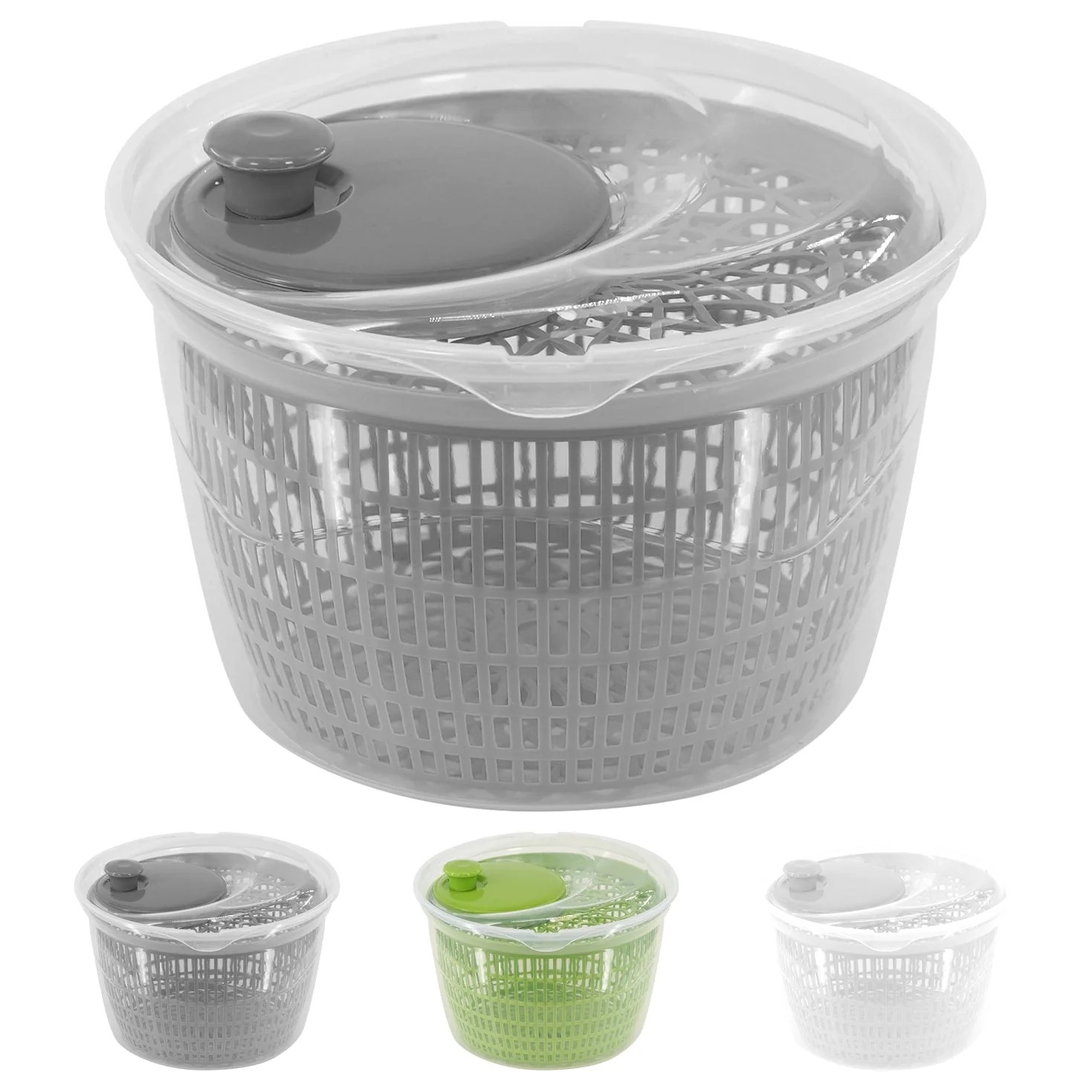
Anatomy of a Good Salad Spinner: What Makes It Spin?
At its core, a good salad spinner is elegantly simple, yet its design is key to its effectiveness. It typically consists of three main parts:
- The Outer Bowl: This serves as the basin that collects the water spun off the greens. Many bowls are designed to be attractive enough to double as a serving dish, adding versatility.
- The Inner Colander Basket: This perforated basket holds your greens. It’s designed to allow water to pass through freely while retaining the produce. It can often be used independently as a colander for rinsing other foods.
- The Lid with Spinning Mechanism: This is where the magic happens. Different types of mechanisms define how you operate the spinner:
- Pump-style: Often found on popular models like the OXO Good Grips series, these feature a large button that you press down to initiate spinning. They are typically easy to use, often with one hand, and include a brake button for quick stops.
- Crank-style: These have a handle that you turn to spin the basket. They can offer a gentler spin, which some prefer for very delicate herbs, and provide good control over speed.
- Pull-cord: Less common but equally effective, these require a sharp pull on a cord to create the centrifugal force.
Material Matters: The material of your good salad spinner also plays a role in its durability, aesthetics, and how it fits into your kitchen.
- Plastic: Lightweight, affordable, and widely available. A good plastic spinner can be highly durable.
- Stainless Steel: Offers a more premium look and feel, is incredibly durable, and often transitions beautifully from kitchen prep to dining table as a serving bowl.
- Glass: Provides a luxurious touch and allows you to visibly monitor the water removal. Like stainless steel, glass bowls often double as elegant serving dishes.
How to Master Your Salad Spinner for Perfectly Dry Greens
Using a good salad spinner is straightforward, but a few tips can help you achieve consistently crisp results:
- Prepare Your Greens: Start by separating your leafy greens. Remove any bruised or discolored leaves and tear larger ones into bite-sized pieces if desired.
- Load the Spinner: Place your greens loosely into the inner colander basket. Avoid overfilling, as this can hinder efficient drying. The greens need room to move and shed water.
- Wash and Rinse: You can rinse your greens directly in the colander under running water, or for a more thorough wash, fill the outer bowl with water, immerse the colander with greens, swirl them around, then lift the colander out to drain the dirty water. Repeat if necessary.
- Spin to Dry: Place the colander back into the outer bowl and secure the lid. Operate the spinning mechanism according to your model (pump, crank, or pull-cord). Spin for 10-30 seconds. You’ll see water collecting in the outer bowl.
- Empty and Enjoy: Once the greens appear dry, press the brake button (if available) to stop the spinning. Remove the lid and colander, discard the collected water, and marvel at your perfectly dry, crisp greens, ready for dressing and enjoyment.
Beyond Lettuce: Clever Uses for Your Good Salad Spinner
A good salad spinner is surprisingly versatile, extending its utility far beyond just leafy greens. Think of it as a multi-purpose drying tool:
- Washing Herbs and Berries: Delicate herbs like cilantro and parsley, or soft fruits like strawberries, blueberries, and grapes, can be gently washed and dried without bruising. The spinner removes excess moisture, preventing premature spoilage.
- Cleaning Other Vegetables: Broccoli florets, cauliflower pieces, or even root vegetables with stubborn bits of mud can benefit from a thorough rinse and spin. It helps remove dirt efficiently.
- Rinsing Canned Goods: Use the inner colander basket to rinse canned beans, chickpeas, or other pulses, removing excess sodium and preserving their texture.
- Doubling as a Serving Bowl or Colander: Many salad spinner bowls are designed to be aesthetically pleasing and can be used directly for serving your finished salad. The inner basket often functions as a standalone colander for straining pasta or washing produce.
The Undeniable Benefits of a Good Salad Spinner
Investing in a good salad spinner brings a host of advantages to your kitchen and your plate:
- Crispness and Flavor: The most significant benefit is achieving truly crisp, fresh greens. Excess water on lettuce can make it limp and dull the flavor. A good salad spinner ensures your greens retain their natural snap, making every bite more enjoyable.
- Dressing Adherence: Oil and water don’t mix, and a wet salad leaf will repel dressing, causing it to pool at the bottom of the bowl. Dry greens allow dressings to coat each leaf evenly, integrating flavors seamlessly and making your salads taste infinitely better.
- Food Preservation: Wet greens wilt much faster than dry ones, leading to premature spoilage and food waste. By thoroughly drying your produce with a good salad spinner, you extend its shelf life in the refrigerator, meaning fewer trips to the grocery store and more money saved.
- Hygiene: Even pre-washed greens can harbor dirt, pesticides, or bacteria. A salad spinner facilitates a thorough rinsing, ensuring your produce is clean and safe to eat.
- Time and Effort Saving: Gone are the days of laboriously patting down lettuce with paper towels (and the waste that ensues). A good salad spinner dries a whole head of lettuce in mere seconds, streamlining your meal prep and saving you valuable time and effort in the kitchen.
Keeping It Fresh: Cleaning and Maintaining Your Salad Spinner
To ensure your good salad spinner continues to perform optimally and remains hygienic, proper cleaning and maintenance are essential. Most modern salad spinners are designed for easy cleaning.
- Regular Cleaning: After each use, it’s generally sufficient to rinse the outer bowl, inner colander, and lid with warm, soapy water.
- Dishwasher-Safe Components: Many plastic and stainless steel models have components that are dishwasher-safe, which can be a huge time-saver. Always check the manufacturer’s instructions.
- Disassembling the Lid: For a more thorough clean, particularly if greens or water get trapped, look for models where the lid mechanism can be easily disassembled. This prevents mold or mildew buildup in hard-to-reach crevices. Reassemble carefully according to instructions.
- Proper Storage: Allow all parts to air dry completely before reassembling and storing. This prevents mildew and ensures your salad spinner is fresh and ready for its next use.
Expert Insight: What to Look for in a Good Salad Spinner
Choosing the right tool can make all the difference. According to culinary expert Chef Julianne Stone, “When you’re searching for a good salad spinner, focus on durability and user-friendliness. A robust mechanism, a stable non-slip base, and components that are easy to clean are non-negotiable. Look for a capacity that matches your typical meal sizes; a family-sized spinner for a single person can be cumbersome, while a small one for a crowd means endless spinning. The best spinner is the one you’ll actually use, regularly and without fuss.”
FAQ Section
1. Why do I need a salad spinner if I can just pat greens dry?
While patting greens dry works, a good salad spinner is significantly faster, more efficient, and gentler, preventing bruising. It also removes more water, ensuring truly crisp greens that allow dressing to adhere better.
2. What size salad spinner is best for a family?
For families or those who prepare large salads, a good salad spinner with a capacity of 5 to 6 quarts (or larger) is ideal. Smaller 3-4 quart models are great for single servings or small side salads.
3. Are stainless steel salad spinners better than plastic ones?
Stainless steel salad spinners often offer greater durability and a more premium aesthetic, and their bowls can double as elegant serving dishes. Plastic models are typically lighter and more affordable, performing just as well at drying greens. The “better” choice depends on your priorities for budget, durability, and style.
4. Can I wash more than just lettuce in my salad spinner?
Absolutely! A good salad spinner is excellent for washing and drying delicate herbs, berries, and even chopped vegetables like broccoli or cauliflower. It can also be used to rinse canned beans or pulses.
5. How do I know when my greens are dry enough?
You’ll typically see a significant amount of water collected in the outer bowl. After spinning for 10-30 seconds, your greens should look visibly dry and feel crisp to the touch. If they still feel damp, give them a few more spins.
6. How often should I clean my salad spinner?
Ideally, you should rinse your salad spinner after every use. For a deeper clean, especially of the lid mechanism, a thorough wash (or dishwasher cycle if applicable) is recommended regularly, particularly if you notice any residue or trapped bits of greens.
7. What are the common types of salad spinner mechanisms?
The most common mechanisms are pump-style (push-button), crank-style (rotating handle), and pull-cord. Each type uses centrifugal force to spin water off the greens, with pump and crank styles being the most prevalent.
Conclusion
A good salad spinner is far more than a luxury; it’s a foundational tool for anyone who cherishes fresh, vibrant salads and efficient kitchen practices. From its simple yet effective design to its surprising versatility, this unassuming gadget promises to transform your meal preparation. By ensuring your greens are perfectly clean and dry, it unlocks their full potential for crispness and flavor, making every bite a delight and every dressing a perfect complement. If you’re ready to elevate your culinary game and enjoy consistently superb salads with minimal effort, investing in a good salad spinner is a decision you won’t regret. So, go ahead, discover the difference, and share your perfectly spun salad creations!