In the fast-paced world of commercial kitchens, efficiency, consistency, and hygiene are paramount. For establishments that pride themselves on serving fresh, crisp salads, the humble task of drying greens has long been a bottleneck. Gone are the days of labor-intensive towel-drying or small, manual spinners struggling to keep up with demand. Today, the commercial electric salad spinner stands as a game-changer, automating this crucial step and elevating salad preparation to a new standard of excellence. This innovative appliance isn’t just a convenience; it’s an indispensable investment for any professional kitchen aiming for superior quality and streamlined operations.
The Evolution of Salad Preparation: From Manual to Motorized
For generations, preparing leafy greens involved a meticulous, often tedious process. Washing them was only the first step; ensuring they were thoroughly dry without bruising or tearing was the real challenge. Early salad spinners offered a mechanical solution, utilizing centrifugal force through a hand-cranked mechanism. While a definite improvement over shaking or patting, these manual models still demanded significant physical effort and often struggled with the sheer volume required in a busy commercial setting.
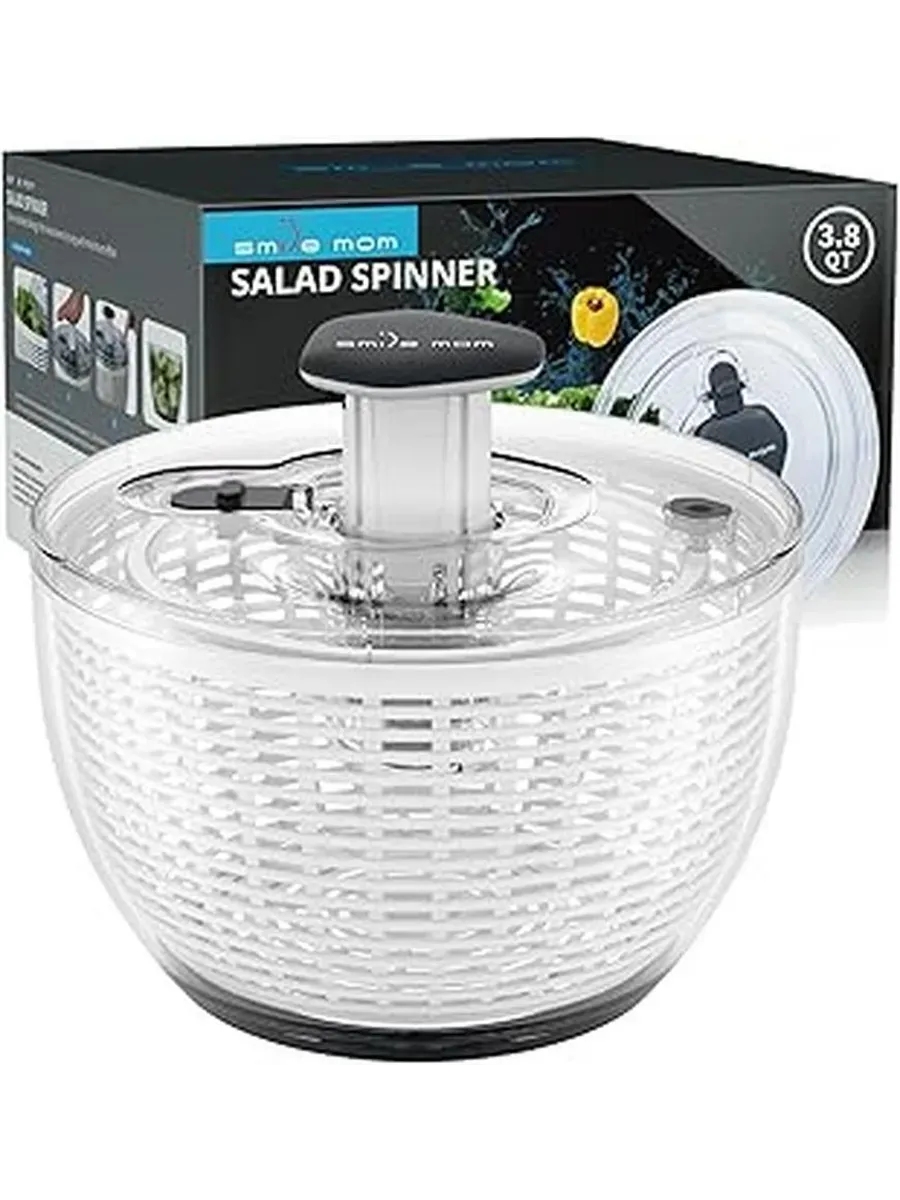
The introduction of the electric salad spinner marked a significant advancement in kitchen technology. This innovation streamlined the washing and drying process, transitioning from labor-intensive manual operation to automated, hands-free efficiency. This shift has not only reduced physical strain on kitchen staff but also dramatically increased throughput, allowing large quantities of greens to be processed swiftly and consistently, a non-negotiable for modern food service.
Anatomy of Efficiency: How a Commercial Electric Salad Spinner Works
At its core, a commercial electric salad spinner operates on a simple yet powerful principle: centrifugal force. However, its sophisticated design is tailored for the rigorous demands of professional use. Typically, these units consist of a large outer bowl, a perforated inner basket, a robust motor, and an efficient drainage system.
Once washed greens are loaded into the inner basket, the motor springs to life, rapidly rotating the basket. This high-speed rotation generates centrifugal force, pushing every droplet of water outwards and away from the delicate leaves. The water then passes through the perforations in the basket and collects in the outer bowl, or is often directed away via an integrated drainage hose, preventing re-soaking. Many advanced models feature varying rotational speeds, allowing chefs to choose the optimal setting for different types of greens – from sturdy romaine to delicate mixed spring leaves – ensuring thorough drying without causing any damage. This automated mechanism is engineered to extract moisture more effectively and consistently than any manual method, guaranteeing perfectly dry produce every time.
Why Go Electric? Unpacking the Benefits for Commercial Kitchens
Investing in a commercial electric salad spinner offers a multitude of advantages that resonate deeply with the needs of a bustling food establishment. These benefits extend beyond mere convenience, touching upon critical aspects like food safety, product quality, and operational efficiency.
Enhanced Food Safety and Hygiene
One of the most crucial benefits of a commercial electric salad dryer is its contribution to enhanced food safety. Excess moisture on salad greens creates an ideal breeding ground for bacteria, increasing the risk of foodborne illnesses. By thoroughly and consistently removing water, these powerful machines significantly reduce this risk, ensuring that greens are safe for consumption. The automated and enclosed nature of electric spinners also minimizes human contact, further safeguarding against contamination, which is vital for maintaining strict health and safety standards in any food service operation.
Superior Crispness and Prolonged Freshness
Have you ever encountered a soggy salad? It’s a common complaint that detracts from the dining experience. A key advantage of a commercial electric salad spinner is its ability to preserve the natural crispness and vibrant freshness of leafy greens. By efficiently removing every last bit of excess water, it prevents wilting and maintains the desired texture. This not only makes salads more appetizing but also extends the shelf life of prepped greens, reducing waste and ensuring a high-quality product is always ready for service.
Unmatched Efficiency and Time Savings
In a commercial kitchen, time is money. Manual salad drying methods are notoriously slow and labor-intensive, pulling valuable staff away from other critical tasks. An electric salad spinner, especially a large capacity unit, can process significant volumes of greens in a fraction of the time. With hands-free operation and pre-set drying cycles, staff can simply load the machine, press a button, and move on to other prep work. This remarkable efficiency streamlines food preparation, accelerates service, and boosts overall kitchen productivity, making it an invaluable asset during peak hours.
Improved Salad Quality and Dressing Adherence
The quality of a salad is often judged by how well its dressing clings to the greens. When lettuce leaves are wet, dressings tend to slide right off, leading to an unevenly flavored, watery dish. A commercial electric salad spinner ensures that greens are perfectly dry, allowing dressings to adhere beautifully to each leaf. This results in a more cohesive, flavorful, and visually appealing salad that will delight guests and elevate your menu offerings. The difference in taste and presentation is immediately noticeable and highly appreciated by diners.
Versatility Beyond Greens
While primarily designed for salad greens, the utility of a commercial electric salad spinner extends far beyond its namesake. These versatile machines can effectively wash and dry a variety of other delicate produce. Think about cleaning herbs like cilantro and parsley, ensuring they are free from grit and ready for garnishes, or drying washed berries. Some chefs even use them to spin excess water from blanched vegetables or freshly cooked pasta, showcasing their multi-functional value in a busy kitchen environment.
Key Features to Look for in a Commercial Electric Salad Spinner
Choosing the right commercial electric salad spinner for your establishment means considering several critical features that impact performance, durability, and ease of use.
Capacity Considerations
The capacity of your salad spinner should directly correlate with your kitchen’s volume of salad production. For a high-volume restaurant, a unit designed to handle 20 gallons or more of lettuce is ideal, allowing you to dry many heads of lettuce in a single batch. Smaller bistros or cafes might find a 5-10 gallon unit sufficient. Always assess your peak demand to ensure the chosen spinner can keep pace without requiring multiple, time-consuming cycles.
Durable Construction Materials
Commercial kitchen equipment endures heavy use, so material quality is paramount. Look for models constructed from robust, food-grade materials. Stainless steel is a popular choice for its corrosion resistance, hygiene, and durability, offering a professional aesthetic and ease of cleaning. Polycarbonate and high-density polyethylene are also excellent options, known for their impact resistance and ability to withstand the harsh environment of a busy kitchen, ensuring a long lifespan for your investment.
Effective Drainage Systems
An often-overlooked but crucial feature is the drainage system. The best commercial electric salad spinner models incorporate efficient mechanisms to remove expelled water. This might include an integrated drain hose that directs water directly into a sink or a large, easily removable collection bowl. An effective drainage system prevents water from re-soaking the greens, which is essential for maintaining crispness and preventing slips and spills in the kitchen.
User-Friendly Controls and Safety Features
Ease of operation is vital for busy staff. Look for electric spinners with intuitive controls, such as simple on/off buttons and adjustable timers, allowing for precise drying cycles of up to 5 minutes. Safety is also a major concern; features like completely enclosed, water-tight motors mounted underneath the unit prevent potential accidents and ensure hygienic operation. Units with sturdy bases and non-skid feet also add stability during high-speed spinning.
Mastering Your Machine: Tips for Optimal Use
To get the most out of your commercial electric salad spinner and ensure perfectly dry greens every time, a few best practices are worth remembering.
Proper Loading Techniques
Avoid the temptation to overload the basket. While these machines boast large capacities, filling them more than two-thirds full can impede the effective removal of water, leading to less-than-optimal results. Instead, process greens in batches, ensuring they are evenly distributed within the inner basket. This allows for maximum agitation and unimpeded airflow, crucial for efficient water extraction.
Pre-Rinsing and Prep
Before loading, always give your produce a good rinse under cold water. This initial wash helps remove dirt, debris, and any lingering contaminants. Additionally, for larger, denser heads of lettuce, consider pre-cutting or tearing the leaves into smaller, manageable pieces. Smaller pieces allow for more thorough drying and ensure that the centrifugal force can work its magic on every surface.
Stable Operation
A commercial electric salad spinner generates significant centrifugal force during operation. To ensure even spinning and effective water removal, always place the unit on a stable, level surface. Many commercial models come with sturdy bases or even suction-cup feet to prevent movement or vibrations, which could otherwise compromise drying performance or create a safety hazard.
Understanding Drying Cycles
Familiarize yourself with the manufacturer’s recommendations for drying times. While specific models may vary, typically, a minute or two of spinning is sufficient for most greens to achieve optimal dryness. Over-spinning can sometimes damage delicate leaves, so using the integrated timer features, often with selectable drying cycles, allows for precise control and consistent results.
Keeping It Pristine: Cleaning and Maintenance for Longevity
Regular and thorough cleaning is essential for maintaining the hygiene, efficiency, and longevity of your commercial electric salad spinner.
To begin, always disassemble the unit according to the manufacturer’s instructions. Hand wash the lid, inner basket, and outer bowl with warm, soapy water. Pay particular attention to hard-to-reach areas, such as between slits in the basket, using a gentle scrubbing brush to remove any lingering food residue or debris. For units with integrated drainage hoses, ensure they are also flushed thoroughly to prevent blockages.
After washing, rinse all parts meticulously to ensure they are free of soap or cleaning agents. Crucially, allow all components to air dry completely before reassembling the spinner. Trapped moisture, especially within the lid or motor housing, can lead to mold or mildew growth, compromising hygiene and potentially damaging the electrical components. Store the reassembled spinner in a clean, dry area to prevent recontamination. Regular inspection for any signs of wear, cracks, or damage to the spinner’s mechanism or electrical components will also help prolong its lifespan and ensure optimal performance.
Expert Insight: The SaladPro Innovations Advantage
“In today’s competitive culinary landscape, consistency and freshness are non-negotiable, especially when it comes to salads,” states Chef Eleanor Vance, Culinary Operations Director at a leading national restaurant group. “At SaladPro Innovations, we understand that a commercial electric salad spinner isn’t just a piece of equipment; it’s a fundamental tool that directly impacts the quality and safety of our dishes. The precision drying capabilities not only enhance the crispness and flavor of our greens but also significantly boost our kitchen’s efficiency, allowing our teams to focus on creativity rather than mundane tasks. It’s about setting a new standard for fresh.”
Frequently Asked Questions About Commercial Electric Salad Spinners
Q1: How much lettuce can a commercial electric salad spinner dry at once?
A: The capacity of a commercial electric salad spinner varies by model, but many units designed for high-volume commercial use can dry 5-20 gallons of lettuce or more in a single cycle, equivalent to many heads of leafy greens.
Q2: Are electric salad spinners more hygienic than manual ones?
A: Yes, generally. Electric models often have enclosed motors and robust construction that minimize direct human contact with the greens during the spinning process, and many feature designs that are easier to disassemble and clean thoroughly, reducing the risk of bacterial buildup.
Q3: What materials are best for a commercial electric salad spinner?
A: For commercial settings, durable, food-grade materials like stainless steel, high-impact polycarbonate, or polyethylene are highly recommended. These materials resist corrosion, withstand heavy use, and are easy to clean and sanitize, ensuring longevity and hygiene.
Q4: How long do electric salad spinners typically last in a commercial setting?
A: With proper cleaning, maintenance, and adherence to operational guidelines, a high-quality commercial electric salad spinner can last for many years, often five to ten years or even longer, depending on usage frequency and brand quality.
Q5: Can I use an electric salad spinner for delicate herbs?
A: Absolutely! Many electric salad spinners offer variable speed settings, allowing you to use a gentler spin cycle perfect for drying delicate herbs like cilantro, parsley, or basil without bruising them, ensuring they are clean and perfectly dry for culinary use.
The Future of Fresh: Embracing the Electric Revolution
The modern kitchen demands tools that are not only effective but also efficient, reliable, and hygienic. The commercial electric salad spinner perfectly embodies these requirements, transforming a once time-consuming chore into a swift, automated process. From enhancing food safety and prolonging freshness to improving salad quality and boosting operational efficiency, the benefits for commercial kitchens are undeniable. Embracing this electric revolution means elevating your salad offerings, optimizing your workflow, and ultimately delivering a superior dining experience to your patrons. As culinary standards continue to rise, the commercial electric salad spinner isn’t just a trend; it’s a foundational component of a truly professional and forward-thinking kitchen.