Ever dreamed of salads so crisp, so perfectly dressed, they transport you straight to a Mediterranean bistro? The secret often lies not just in the ingredients, but in the preparation. If you’re looking to elevate your homemade salads from good to gourmet, understanding why and how to buy a salad spinner is your first step. This indispensable kitchen gadget is more than just a convenience; it’s a game-changer for anyone who values fresh, vibrant produce and efficient meal prep.
The Evolution of Fresh: A Brief History of the Salad Spinner
For centuries, home cooks and professional chefs alike struggled with the age-old dilemma of wet greens. Patting leaves dry with towels was a tedious, often ineffective process that could bruise delicate produce and leave behind lint. The innovation of the salad spinner emerged from this very challenge, offering a revolutionary solution to achieve perfectly dry greens without the fuss. While rudimentary methods existed, the modern salad spinner, with its efficient centrifugal force, truly transformed salad preparation, ensuring that dressings cling beautifully to every leaf, delivering maximum flavor with every bite. It’s a testament to how simple yet ingenious design can profoundly impact our culinary experience.
Understanding Your Spin: How Salad Spinners Work
At its core, a salad spinner is a beautifully engineered device designed to harness the power of centrifugal force. Imagine a washing machine’s spin cycle, but for your delicate greens! It typically consists of three main parts: an outer bowl, an inner colander basket with perforations, and a lid equipped with a spinning mechanism. When you activate the mechanism, the inner basket rapidly rotates. This spinning motion pushes the water off the surface of your greens and through the holes in the colander, where it collects in the outer bowl. The result? Clean, crisp, and thoroughly dry lettuce, herbs, or vegetables, ready for dressing without diluting flavors.
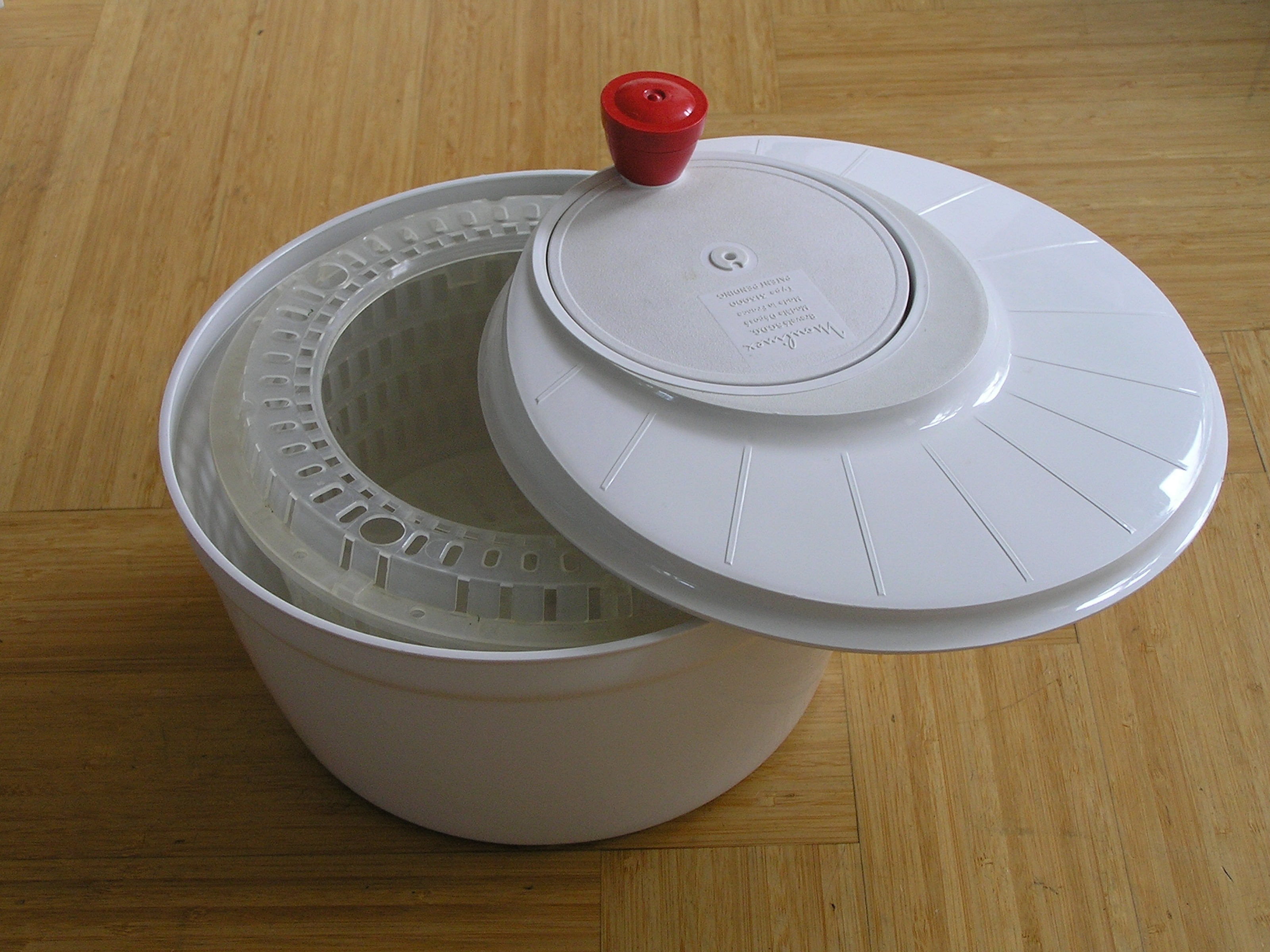
Salad spinners primarily come in three mechanical styles:
- Pump-style: Often featuring a large button or plunger on the lid, these are usually operated with one hand, making them incredibly easy and efficient to use. Many also include a handy brake button to stop the spinning instantly.
- Crank-handle style: These involve a rotating handle on the lid, requiring a two-handed operation to achieve the spinning motion. They offer good control over speed.
- Pull-cord style: Similar to a pull-start lawnmower, a cord is pulled to initiate the spin. While effective, the cord mechanism can sometimes be a point of wear and tear over time.
Each type offers a slightly different user experience, so when you decide to buy a salad spinner, consider which mechanism best fits your personal preference and kitchen ergonomics.
Your Ultimate Guide to Buying the Perfect Salad Spinner
When you’re ready to buy a salad spinner, the market offers a dizzying array of options. To make the best choice for your kitchen and cooking habits, consider these key factors.
Size and Capacity: Finding Your Fit
The first thing to consider is how much salad you typically prepare. Salad spinners range in size from compact herb dryers to large, family-sized models.
- For individuals or small households: A 3 to 4-quart spinner is usually sufficient for a side salad or a couple of servings. It’s also ideal for drying smaller batches of herbs or berries.
- For families or frequent entertainers: A 5 to 6-quart or larger model is recommended. This allows you to wash and dry a full head of lettuce or multiple batches of greens at once, saving you time and effort during meal prep.
Beyond the volume, think about your storage space. Some larger models can be bulky. Look for features like collapsible handles or nesting designs that can help minimize their footprint in your cabinets.
Material Matters: Plastic, Stainless Steel, or Glass?
Salad spinners are primarily made from three types of materials, each with its own advantages.
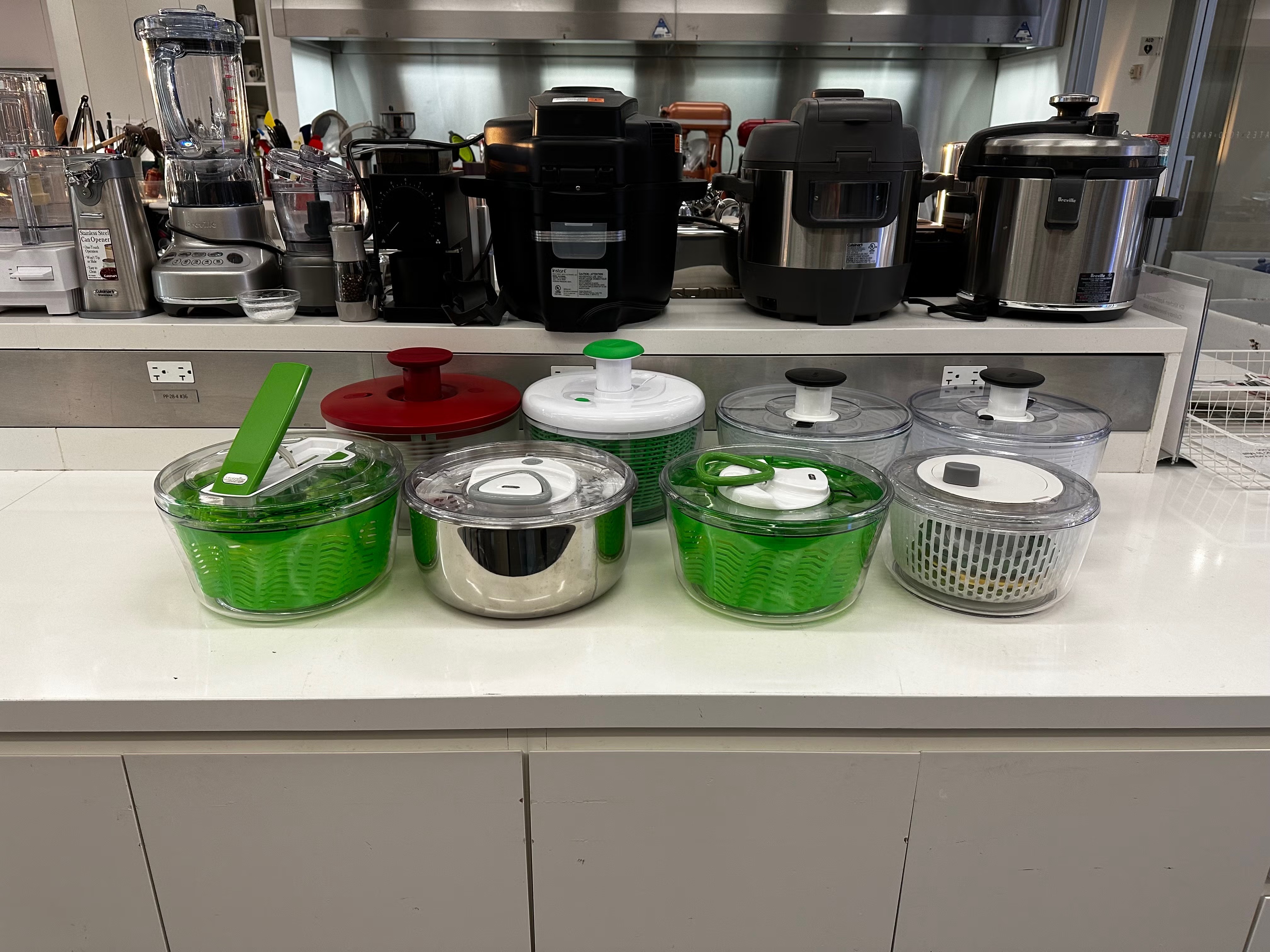
- Plastic: These are generally the most affordable and lightweight. High-quality BPA-free plastic spinners are durable and perfectly functional for everyday use. Many plastic models come with clear outer bowls, allowing you to easily see the greens as they spin.
- Stainless Steel: Offering a more premium look and feel, stainless steel spinners are exceptionally durable and resistant to staining or odors. Their sleek design often means the outer bowl can double as a stylish serving bowl, transitioning seamlessly from kitchen to table. However, they typically come at a higher price point.
- Glass: Similar to stainless steel, glass salad spinners offer durability and an elegant aesthetic, making the bowl excellent for serving. They are sturdy and won’t absorb flavors or odors. The transparent nature of glass also allows for easy monitoring of your greens. The main drawback is their increased weight and the potential for breakage if mishandled.
When you buy a salad spinner, consider not only its primary function but also its potential as a versatile kitchen and serving piece.
Spin Mechanism: Pump, Crank, or Pull-Cord?
As discussed, the spin mechanism significantly impacts the user experience.
- Pump-style: Widely popular for their ease of use, these typically allow for one-handed operation. A simple press of a button or plunger initiates a powerful spin, often with an integrated brake for quick stopping. This is often recommended for those seeking maximum convenience.
- Crank-handle style: These offer good control over the spinning speed, which can be beneficial for delicate greens. They usually require two hands to operate effectively.
- Pull-cord style: These are straightforward and effective, but the cord can sometimes be prone to wear. They are generally less common in high-end models.
Many find the pump-style mechanism to be the most ergonomic and efficient, particularly for regular use.
Design and Stability: Beyond the Spin
A good salad spinner isn’t just about how fast it spins; it’s also about how well it performs on your countertop.
- Non-slip base: This is crucial. Look for models with rubberized rings or feet on the bottom to prevent the spinner from wobbling or sliding around during use. A stable spinner ensures safety and efficiency.
- Brake button: A dedicated brake button allows you to stop the spinning instantly, which is useful for checking greens or preventing over-spinning.
- Pour spout: Some outer bowls include a pour spout, allowing you to easily drain collected water without removing the lid, which is a thoughtful design touch.
- Clear bowls: Regardless of material, clear outer bowls (or glass) let you see the progress of your greens, ensuring they reach your desired level of dryness.
These design elements, while seemingly minor, contribute significantly to the overall user satisfaction and functionality.
Ease of Cleaning and Maintenance
No one wants a kitchen gadget that’s a nightmare to clean. When you buy a salad spinner, check for models that are easy to disassemble.
- Dishwasher-safe components: Many spinners have bowls and colanders that are dishwasher safe, making cleanup a breeze. Always check manufacturer instructions.
- Detachable lids: Lids, especially those with intricate mechanisms, can trap water and debris. Spinners with lids that easily come apart allow for a thorough cleaning and quicker drying, preventing mold or mildew build-up. A simple rinse of the basket and bowl is often sufficient, but the ability to deep clean the lid is a major plus.
Beyond the Greens: Creative Uses for Your Salad Spinner
While its primary role is in preparing crisp salads, a good salad spinner is a surprisingly versatile tool in the kitchen. Chef Isabella Rossi, a renowned culinary strategist and advocate for fresh, wholesome ingredients, often says, “A truly great kitchen tool earns its keep with versatility. My salad spinner isn’t just for lettuce; it’s a multi-tasking marvel!”
Here are some clever ways to put your salad spinner to work:
- Washing and Drying Herbs: Delicate herbs like cilantro, parsley, or dill can be easily bruised. The gentle centrifugal force of a spinner dries them perfectly without damage, helping them last longer.
- Cleaning Berries: Rinse strawberries, blueberries, or raspberries in the colander, then spin them dry to remove excess water and prevent them from becoming mushy.
- Prepping Other Vegetables: Use it to wash and dry florets of broccoli or cauliflower, leafy greens like spinach or kale, or even thinly sliced root vegetables before roasting.
- Rinsing Canned Beans and Pulses: The colander basket is perfect for rinsing canned chickpeas, black beans, or lentils, removing excess sodium and improving texture.
- Soaking Dry Beans: Use the outer bowl to soak dry beans or legumes overnight. Then, the inner colander makes rinsing them effortless.
- Drying Delicate Kitchen Linens: Need to quickly dry a small, delicate item like a cheesecloth or a reusable nut milk bag? Give it a spin!
- A Handy Extra Bowl: The spacious outer bowl can serve as a mixing bowl for ingredients, or even a temporary serving bowl for chips or popcorn.
The Undeniable Benefits of a Salad Spinner in Your Kitchen
If you’re still on the fence about whether to buy a salad spinner, consider the profound impact it can have on your daily meals and overall kitchen efficiency.
- Crispier, Tastier Salads: This is the most obvious and perhaps most cherished benefit. By effectively removing excess water, your greens stay crisp and vibrant, making every bite a delight. Soggy salads are a thing of the past!
- Superior Dressing Adherence: Water acts as a barrier, preventing your delicious vinaigrettes and dressings from clinging to the leaves. Dry greens allow dressings to coat each leaf evenly, maximizing flavor distribution and ensuring a harmonious blend of tastes and textures.
- Time-Saving Efficiency: Forget painstakingly patting down each leaf with paper towels. A salad spinner gets the job done in seconds, dramatically cutting down your prep time, especially when preparing salads for a crowd. This means healthier meals become more accessible even on busy weeknights.
- Healthier Eating Habits: When preparing fresh produce is quick and easy, you’re far more likely to incorporate more raw vegetables into your diet. A salad spinner simplifies the process, encouraging a healthier lifestyle.
- Extended Produce Freshness: Properly washed and dried greens last longer in the refrigerator. Excess moisture accelerates spoilage, leading to wilted leaves and food waste. A salad spinner helps preserve your investment in fresh produce.
- Thorough Cleaning: Beyond just drying, the spinning action helps dislodge any stubborn dirt, sand, or even small critters hiding in your leafy greens, ensuring a truly clean and safe meal.
Keeping It Fresh: Cleaning and Maintaining Your Salad Spinner
To ensure your salad spinner remains a reliable kitchen ally, proper cleaning and maintenance are key. Most modern salad spinners are designed for easy cleaning.
- Disassemble: Carefully separate the lid from the outer bowl and remove the inner colander basket.
- Rinse Immediately: After each use, rinse all components under warm running water to remove any lingering food particles.
- Wash Thoroughly:
- Bowl and Colander: Most bowls and colanders are dishwasher-safe. If washing by hand, use warm, soapy water and a sponge or brush.
- Lid: The lid, especially with its intricate mechanism, often requires a bit more attention. Many lids are top-rack dishwasher safe, but always check your specific model’s instructions. If handwashing, use a small brush to get into crevices. Some advanced designs allow for easy detachment of lid components for a deeper clean.
- Dry Completely: Allow all parts to air dry thoroughly before reassembling and storing. This prevents water spots and inhibits bacterial growth.
- Regular Deep Cleaning: Periodically, consider a deeper clean, especially if you notice any residue or if the spinning mechanism feels sluggish. For plastic components, a baking soda paste can help remove stains or odors.
Frequently Asked Questions About Salad Spinners
Why do I need a salad spinner?
A salad spinner is essential for quickly and effectively removing excess water from washed leafy greens and herbs. This prevents soggy salads, allows dressings to adhere better, and keeps your produce fresh for longer.
What’s the best type of salad spinner mechanism?
Pump-style mechanisms are widely favored for their ease of use, often allowing for one-handed operation and featuring a convenient brake button. Crank and pull-cord models are also effective, but pump styles generally offer the most user-friendly experience.
Can I use my salad spinner for things other than lettuce?
Absolutely! Salad spinners are incredibly versatile. They’re perfect for drying herbs, berries, broccoli florets, and other delicate vegetables. The colander can also be used to rinse canned beans, and the outer bowl often doubles as a mixing or serving bowl.
How do I choose the right size when I buy a salad spinner?
Consider your typical serving size. A 3-4 quart spinner is great for individuals or small households, while a 5-6 quart or larger model is better for families or if you frequently prepare large salads. Also, factor in your kitchen storage space.
Are stainless steel salad spinners worth the extra cost?
Stainless steel salad spinners offer enhanced durability, a more elegant aesthetic, and resistance to odors and stains. Their bowls can also double as attractive serving pieces, making them a worthwhile investment for those who prioritize longevity and style.
How often should I clean my salad spinner?
You should rinse all components immediately after each use. A thorough wash with soap and water (or in the dishwasher for applicable parts) should be done after every few uses or whenever you notice residue. Always ensure all parts are completely dry before storing.
The Final Spin: Making Your Salad Dreams a Reality
Deciding to buy a salad spinner is more than just purchasing another kitchen gadget; it’s an investment in fresher, healthier, and more enjoyable meals. From its humble origins to the advanced designs available today, the salad spinner remains a staple for anyone passionate about culinary excellence. By considering factors like size, material, and spin mechanism, you can confidently choose the perfect model to meet your needs. So, go ahead, make the smart choice for your kitchen. Embrace the crisp, and let your “SaladPro Innovations” journey begin by finding the ideal salad spinner that will transform your greens and delight your taste buds.