In the fast-paced world of food service, every second and every ingredient counts. For establishments ranging from bustling restaurants to efficient catering services, delivering fresh, crisp salads is paramount to customer satisfaction and operational success. This is where the electric salad spinner commercial steps in as an indispensable piece of kitchen equipment, transforming the way leafy greens are prepared on a large scale. Gone are the days of tedious manual drying or soggy greens compromising your culinary creations. An electric salad spinner offers a powerful, hygienic, and incredibly efficient solution designed to meet the rigorous demands of any commercial kitchen.
|
Our Picks for the Best Salad Spinner in 2026
As an Amazon Associate I earn from qualifying purchases.
|
||
| Num | Product | Action |
|---|---|---|
| 1 | Automatic Vegetable and Fruit Washer Snail-Shaped Drain Basket 2025 New Washer Spinner Bowls, Portable Drainer Fruits Washing Basin for Home Kitchen (Yellow) |

|
| 2 | Bentgo Glass All-in-One Salad Container - Large 61-oz Salad Bowl with Lid, 4-Compartment Bento-Style Tray, 3-oz Sauce Container, and Reusable Fork - Dishwasher, Microwave, and Oven Safe (White) |
|
| 3 | Farberware Easy to use pro Pump Spinner with Bowl, Colander and Built in draining System for Fresh, Crisp, Clean Salad and Produce, 6.6 quart, Green |
|
| 4 | lily&stone Large Stainless Steel Pump Salad Spinner with Drain, Bowl, and Colander - Quick and Easy Multi-Use Lettuce Spinner, Vegetable Dryer, Fruit Washer, Pasta and Fries Spinner - 6.33 Qt |
|
| 5 | Cambom Salad Spinner Lettuce Spinner, Wash, Spin & Dry Salad Greens, Vegetable Washer Salad Dryer With Rotary Handle for Fruits & Vegetables, High Efficiency Vegetable Spinner Kitchen Gadget 3Qt Black |
|
| 6 | Cuisinart Salad Spinner- Wash, Spin & Dry Salad Greens, Fruits & Vegetables, 3qt, CTG-00-SSAS |
|
| 7 | Salad Spinner Large 5L Capacity, Easy to Clean Lettuce Spinner with Bowl, Vegetable Washer Dryer Dishwasher Safe Ideal for Vegetables and Fruits without BPA, Large 4.5 Quart |
|
| 8 | Stainless Steel Salad Spinner Large with 5 Blades Slicer, Lettuce Washer Spinner and Dryer, Vegetable Fruits Chopper Bowl, Egg Yolk Strainer Comes with Dipping Saucers and Clip, 5.3Qt |
|
| 9 | OXO Good Grips Salad Spinner | Lettuce Spinner | Fruit Washer | Fruit Washing Bowl with Strainer | Vegetable Cleaner | Salad Cleaner | Lettuce Washer | 6.22 Quart Capacity |
|
| 10 | Cuisinart Large Spin Stop Salad Spinner- Wash, Spin & Dry Salad Greens, Fruits & Vegetables, 5qt, CTG-00-SAS1 |
|
The Evolution of Salad Preparation: From Manual to Electric Spinners
The concept of removing excess water from washed greens isn’t new. For centuries, chefs have employed various methods, from shaking greens in a cloth to using rudimentary baskets. The invention of the manual salad spinner brought a significant improvement, using centrifugal force to dry smaller batches more effectively. However, the sheer volume and speed required in commercial settings quickly exposed the limitations of manual models.
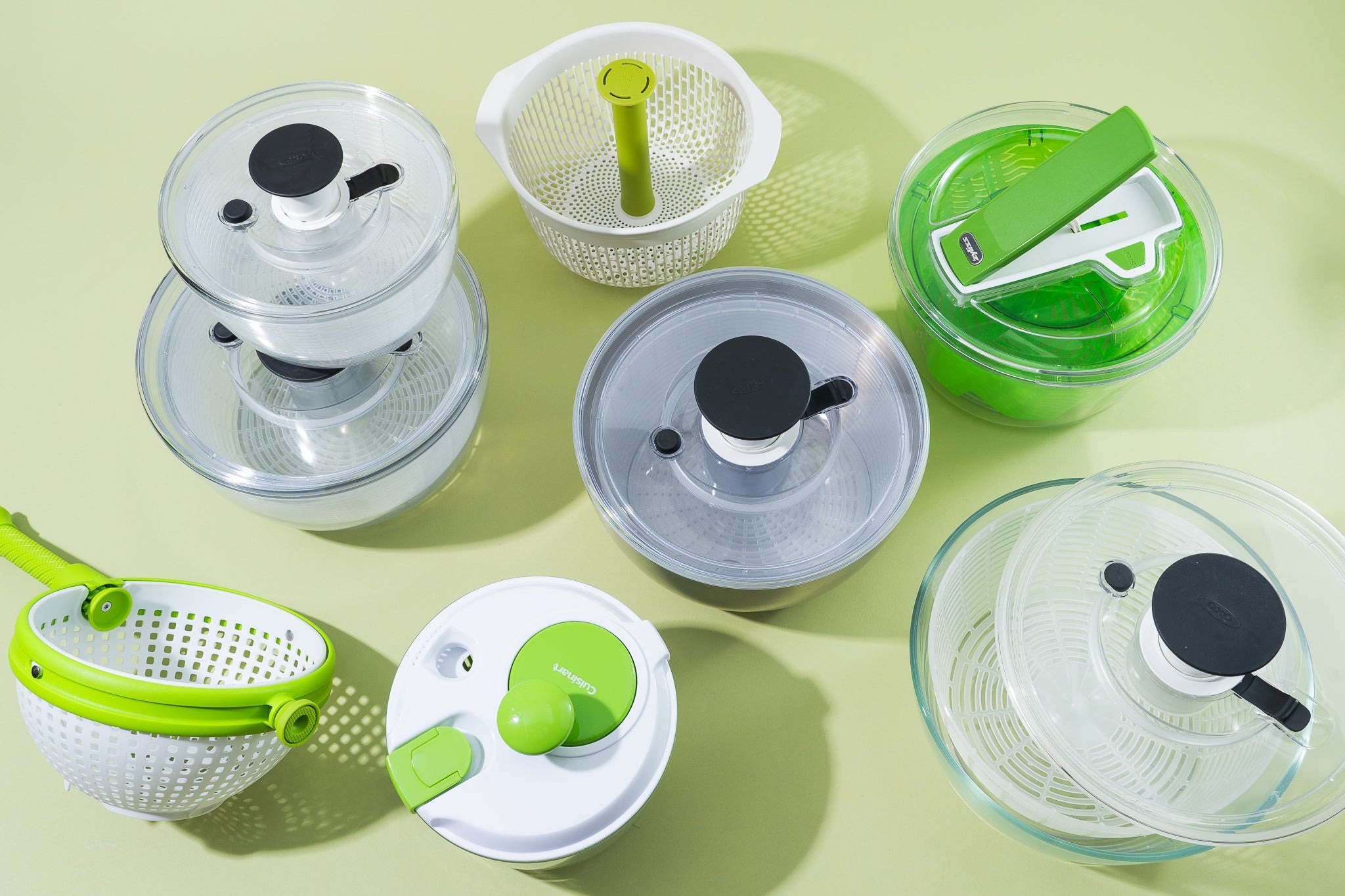
Enter the electric salad spinner. Driven by robust motors, these machines scaled up the efficiency dramatically. They moved salad preparation from a labor-intensive chore to a streamlined, automated process, perfectly aligning with the modern commercial kitchen’s need for speed, consistency, and hygiene. This innovation has fundamentally changed how food service operations approach their salad stations, allowing for superior quality produce with minimal effort.
Understanding the Mechanics: How an Electric Commercial Salad Spinner Works
At its heart, an electric commercial salad spinner operates on a simple yet effective scientific principle: centrifugal force. Imagine the greens spinning rapidly inside a perforated inner basket.
The Centrifugal Force Principle
When the inner basket rotates at high speed, the centrifugal force pushes the water outwards through the perforations in the basket. The water then collects in the outer, solid bowl, leaving the greens remarkably dry. This process is far more thorough and gentle than hand-drying methods, which can bruise delicate leaves or leave behind stubborn moisture. The result is perfectly prepped greens, ready for dressing and plating without dilution.
Key Components: Basket, Bowl, and Motor
A typical electric salad spinner commercial unit comprises several critical parts designed for durability and performance:
- Outer Bowl: This robust, typically large-capacity container catches all the expelled water. Many commercial models feature a built-in drain or a hose connection, allowing water to be emptied directly into a sink without interrupting the spinning cycle or lifting heavy bowls.
- Inner Basket (Colander): Made from durable, food-grade materials like polycarbonate or stainless steel, this perforated basket holds the greens. Its design ensures maximum water expulsion while protecting the produce.
- Motor: The powerhouse of the electric spinner, the motor provides the consistent, high-speed rotation necessary for efficient drying. Commercial motors are designed for continuous use and heavy loads.
- Lid with Safety Mechanisms: A heavy-duty, often transparent lid secures the contents during operation. Crucially, commercial models often include safety micro-switches that prevent the machine from operating if the lid isn’t properly closed, enhancing kitchen safety.
- Control Panel: User-friendly interfaces typically offer simple start/stop functions, and advanced models may include cycle selections or even vibration control systems to balance loads automatically.
- Base and Casters: A stable base is essential for preventing movement during high-speed spinning. Many larger units are equipped with locking casters, allowing for easy mobility for cleaning or storage while ensuring stability during use.
Unlocking Peak Performance: Your Guide to Using a Commercial Electric Salad Spinner
Operating an electric salad spinner commercial is straightforward, but a few best practices can help you get the most out of your machine and your produce.
Step-by-Step Operation
- Wash Your Greens Thoroughly: Begin by washing your leafy greens under cold, running water to remove any dirt, soil, or debris.
- Load the Inner Basket: Place the washed greens loosely into the inner perforated basket. Avoid overpacking, as this can hinder effective drying.
- Secure the Lid: Ensure the lid is firmly closed and engaged with any safety locks.
- Activate the Spinner: With a simple push of a button, the electric motor will start spinning the basket. Most commercial models complete a cycle within one to three minutes.
- Drain the Water: If your unit has a drain hose, the water will be expelled automatically. Otherwise, you’ll periodically need to empty the outer bowl.
- Retrieve Perfectly Dry Greens: Once the cycle is complete, open the lid and remove your crisp, dry greens, ready for the next stage of preparation.
Maximizing Your Greens’ Potential
For optimal results, consider these tips: don’t overload the basket to ensure even drying, and if greens are exceptionally wet, a second shorter spin cycle can guarantee maximum crispness. Regular use for all your leafy greens, from delicate lettuces to sturdy kale, will significantly enhance their texture and taste.
Beyond Lettuce: Innovative Uses for Your Electric Salad Spinner
While its name highlights salads, the utility of an electric salad spinner commercial extends far beyond just lettuce. This versatile machine can be a true workhorse in your kitchen, proving its value with a variety of other ingredients.
- Fresh Herbs: Gently dry washed cilantro, parsley, basil, or mint to preserve their delicate flavors and prevent spoilage.
- Berries: After a quick rinse, soft berries like strawberries or blueberries can be gently spun to remove excess water, keeping them fresh longer for fruit salads or garnishes.
- Washed Vegetables: From chopped cabbage for coleslaw to freshly washed spinach for sautéing, the spinner can efficiently dry a multitude of vegetables, ensuring better cooking results and longer shelf life.
- Defrosting: Some chefs even use the gentle spinning action to help remove excess water from defrosted items, though care must be taken depending on the food item.
Its capacity and power make it ideal for large batches of diverse produce, saving time across multiple prep tasks.
The Undeniable Advantages: Why Every Commercial Kitchen Needs an Electric Salad Spinner
Integrating an electric salad spinner commercial into your kitchen workflow offers a cascade of benefits, from elevating food quality to significantly boosting operational efficiency and adherence to critical safety standards.
Elevating Food Safety Standards
“In a high-volume commercial setting, an electric salad spinner isn’t just a convenience; it’s a critical piece of equipment that directly impacts food quality, operational efficiency, and crucially, food safety,” says Chef Isabella Rossi, a veteran culinary consultant specializing in kitchen optimization. Excess moisture on greens can create an ideal breeding ground for bacteria, increasing the risk of foodborne illnesses. By thoroughly removing water, an electric spinner significantly reduces this risk, contributing to a safer dining experience for your customers and greater peace of mind for your staff.
Ensuring Unmatched Crispness and Flavor
Soggy salads are a common complaint and a culinary sin. An electric salad spinner ensures that your greens are consistently crisp and vibrant, allowing dressings to adhere properly to the leaves rather than sliding off or becoming diluted. This means every salad you serve will have a superior texture and flavor profile, reflecting the high standards of your establishment. The preservation of crispness also extends the shelf life of your produce, reducing spoilage and waste.
Streamlining Workflow and Saving Labor
Manual salad drying is a time-consuming and labor-intensive task, especially when dealing with large quantities of produce. An electric salad spinner commercial automates this process, allowing kitchen staff to focus on more complex or value-added tasks. What once took precious minutes, or even hours, can now be achieved in a matter of moments, drastically improving prep time and overall kitchen efficiency. This directly translates to cost savings on labor and faster service during peak hours.
Reducing Waste and Boosting Profitability
By effectively drying greens, these machines help prevent premature wilting and spoilage. Drier greens last longer, meaning fewer discarded ingredients and more cost-effective inventory management. This reduction in food waste directly contributes to your bottom line, boosting profitability and enhancing the sustainability of your operation. It’s an investment that pays dividends in both quality and financial performance.
Maintaining Your Investment: Cleaning and Care for Electric Salad Spinners
To ensure longevity, optimal performance, and adherence to stringent hygiene standards, proper cleaning and maintenance of your electric salad spinner commercial are essential.
Daily Routines for Hygiene
After each use, or at the end of a shift, perform a thorough rinse. Most commercial spinners are designed for easy disassembly, allowing you to quickly remove the inner basket and lid for cleaning. Use warm, soapy water and a soft brush to clean all components. Pay close attention to any crevices where food particles or moisture might accumulate. Rinse thoroughly and allow parts to air dry completely before reassembling. For many models, parts like the basket and bowl are often dishwasher-safe, simplifying daily cleaning.
Deep Cleaning and Longevity
Periodically, a more comprehensive deep clean is advisable. Consult your manufacturer’s manual for specific instructions regarding motor care and non-detachable parts. Regular inspection for any signs of wear and tear, such as cracks in plastic components or issues with the motor, can help preempt larger problems and extend the life of your unit. Adhering to cleaning protocols not only ensures food safety but also protects your investment, guaranteeing that your electric salad spinner commercial remains a reliable workhorse for years to come.
Expert Insight: Choosing the Right Electric Salad Spinner for Your Business
Selecting the ideal electric salad spinner commercial for your establishment involves more than just picking the first model you see. It requires careful consideration of several factors to ensure it perfectly integrates with your kitchen’s needs and operational flow.
Consider the volume of greens you process daily. Capacities range significantly, from smaller 2.5-gallon units to massive 20-gallon or 26-pound machines. Over-specifying can lead to unnecessary costs and wasted space, while under-specifying will quickly lead to bottlenecks in your prep area. Look for models constructed from high-quality, food-grade materials like stainless steel or durable polycarbonate, which withstand constant use and harsh cleaning regimens. Features like NSF certification are a strong indicator of a product’s compliance with public health standards, a non-negotiable for commercial kitchen equipment. Furthermore, assess the ease of cleaning, the presence of drainage systems, and the overall stability and mobility (e.g., locking casters) of the unit. A well-chosen electric salad spinner commercial will be a seamless extension of your culinary team, rather than another piece of equipment to manage.
Frequently Asked Questions About Commercial Electric Salad Spinners
What is the ideal capacity for a commercial electric salad spinner?
The ideal capacity for a commercial electric salad spinner depends on your kitchen’s volume. Small cafes might find a 2.5-gallon unit sufficient, while large restaurants or catering services often require 10-gallon, 20-gallon, or even 26-pound capacity models to handle high volumes efficiently.
How does an electric salad spinner improve food safety?
An electric salad spinner improves food safety by thoroughly removing excess water from greens. This reduces the moisture content that bacteria need to thrive, thereby significantly lowering the risk of foodborne illnesses associated with improperly washed or dried produce.
Can electric salad spinners be used for more than just lettuce?
Absolutely! Electric salad spinners are incredibly versatile and can be used to dry various leafy greens, herbs like cilantro and parsley, and even delicate berries after washing, making them a multi-functional tool in any commercial kitchen.
What materials are best for commercial electric salad spinners?
For commercial use, electric salad spinners made from durable, food-grade materials like stainless steel, polycarbonate, or polyethylene are best. These materials offer excellent resistance to impact, chemicals, and corrosion, ensuring longevity and hygiene in a busy kitchen environment.
How often should a commercial electric salad spinner be cleaned?
A commercial electric salad spinner should be cleaned after each use or at the end of every shift to maintain hygiene and prevent bacterial growth. Regular deep cleaning, as recommended by the manufacturer, is also crucial for optimal performance and extending the unit’s lifespan.
Conclusion
The electric salad spinner commercial is more than just a kitchen gadget; it is a strategic investment for any food service operation committed to quality, efficiency, and hygiene. From delivering perfectly crisp greens that elevate every salad to streamlining prep times and enhancing food safety, its benefits are far-reaching. By embracing this powerful tool, brands like SaladPro Innovations can solidify their reputation for excellence, serving up not just food, but a superior dining experience. So, if you haven’t yet, it’s time to let an electric salad spinner revolutionize your commercial kitchen and see the crisp difference for yourself.