In the fast-paced world of professional kitchens, efficiency and quality are not just buzzwords – they’re the bedrock of success. Every tool, every technique, and every ingredient must contribute to a seamless operation and an exceptional culinary experience. Among the often-underestimated heroes of the commercial kitchen stands the restaurant salad spinner, a workhorse designed to transform soggy greens into vibrant, crisp foundations for unforgettable dishes. If you’ve ever wondered how high-volume establishments consistently deliver picture-perfect salads, the secret often lies in this clever piece of equipment.
The journey of keeping greens fresh and crisp is as old as salad itself. For centuries, chefs and home cooks alike employed various methods to remove excess water from washed produce, from painstakingly patting leaves dry with towels to the more vigorous “towel-swing” method, often leading to bruised greens and a messy kitchen. These traditional approaches, while functional in a small setting, were simply not sustainable or efficient enough for the demands of a bustling restaurant. The evolution of the salad spinner marked a significant turning point, bringing a scientific principle—centrifugal force—into the kitchen to solve an age-old problem with remarkable elegance. Early versions were humble, often manual devices, but their potential was immediately recognized. As culinary practices advanced and the desire for consistent quality grew, so too did the sophistication of the restaurant salad spinner, evolving into the robust, high-capacity units we see today. This progression mirrors the broader innovation in kitchen technology, always aiming to enhance food quality, streamline preparation, and elevate the dining experience.
When considering a restaurant salad spinner, it’s not a one-size-fits-all situation. The market offers a diverse array, catering to different kitchen sizes, volumes, and preferences. You’ll primarily encounter two main categories: manual and electric. Manual restaurant salad spinners, typically operated by a hand crank, pump, or pull-cord mechanism, are fantastic for smaller establishments or for specific tasks where precise control over the spinning speed is desired. They are often durable, easy to maintain, and don’t require an electrical outlet, offering flexibility in kitchen layout. On the other hand, electric restaurant salad spinners are the champions of high-volume operations. These powerful units use a motor to rapidly spin large quantities of greens with minimal effort from the staff, significantly cutting down prep time during peak hours. They usually come with timers and robust stainless-steel construction, built to withstand the rigors of continuous commercial use. The choice between manual and electric often boils down to the scale of your operation and your budget, but both aim for the same crucial outcome: perfectly dry, unbruised greens.
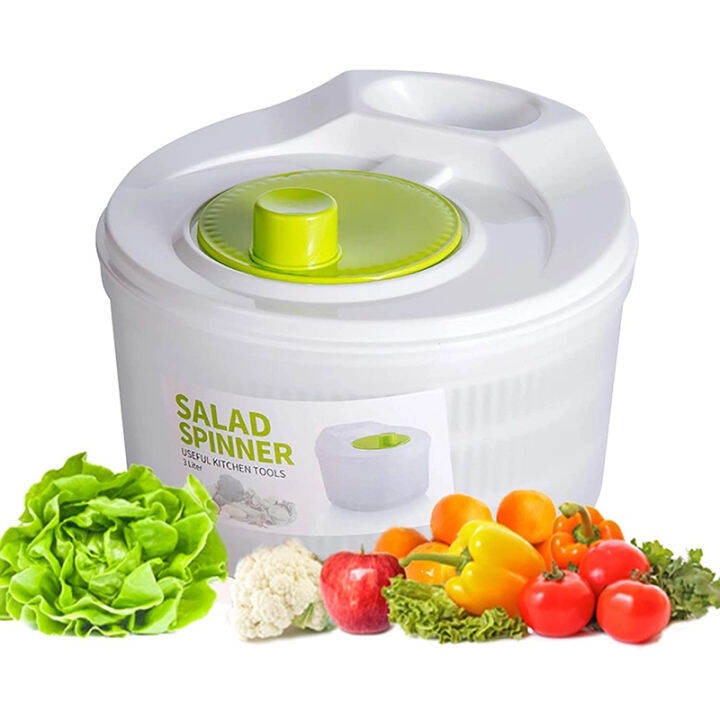
At its core, a restaurant salad spinner operates on a simple yet effective scientific principle: centrifugal force. Imagine a bucket of water being swung around in a circle; the water gets pushed to the bottom and sides due to the outward force. A salad spinner applies this very concept. Inside its main bowl, there’s a perforated inner basket where the washed greens are placed. When the spinner’s mechanism—be it a crank, pump, or electric motor—is activated, it causes this inner basket to rotate at high speed. As the basket spins, the water clinging to the leaves is flung outwards through the perforations, collecting in the outer bowl while the now-dry greens remain in the basket, ready for their next culinary adventure. This design ensures that moisture is efficiently removed without damaging the delicate structure of the greens, preserving their natural crispness and texture.
Getting the most out of your restaurant salad spinner isn’t rocket science, but a few pointers can make a big difference. First, always wash your greens thoroughly before placing them in the spinner. A quick rinse isn’t enough; submerging them in cold water allows dirt and grit to settle at the bottom. Don’t overload the basket; packing too many greens can hinder proper drying and potentially bruise the leaves. Work in batches if necessary – quality over quantity. For manual spinners, a steady, consistent spinning motion is more effective than short, jerky bursts. Spin until the greens are visibly dry and crisp. If your model has a drain hose, remember to utilize it to empty the collected water regularly, preventing re-soaking.
The versatility of a restaurant salad spinner extends beyond just lettuce. This unsung hero can be used for a variety of tasks that enhance food quality and preparation. Consider using it to dry fresh herbs after washing; this helps prevent spoilage and keeps them vibrant. Berries, which can get mushy if too wet, benefit greatly from a gentle spin to remove excess surface water before serving or storage. It can also be used to remove excess water from blanched vegetables, giving them a better texture when added to stir-fries or roasted dishes. Some chefs even use larger commercial models to de-sand clams or mussels, though ensuring proper sanitation afterward is critical. Think of your restaurant salad spinner as a multi-purpose dehydration tool, ready to tackle any task where removing surface moisture is key to culinary excellence.
The benefits of integrating a high-quality restaurant salad spinner into your kitchen workflow are numerous and far-reaching. The most immediate and obvious advantage is the significant improvement in salad quality. Soggy greens are a culinary cardinal sin; they dilute dressings, lack texture, and disappoint diners. A properly spun salad ensures that dressings cling beautifully to each leaf, delivering an explosion of flavor and a satisfying crunch with every bite. This enhanced sensory experience translates directly into happier customers and positive reviews.
Beyond taste and texture, a restaurant salad spinner plays a crucial role in food safety. Excess moisture on greens creates an ideal breeding ground for bacteria, increasing the risk of foodborne illnesses. By thoroughly drying produce, you actively reduce this risk, contributing to a safer dining environment and protecting your establishment’s reputation. “In my two decades overseeing kitchen operations, I’ve seen firsthand how a well-maintained commercial salad spinner can dramatically improve not only the taste and presentation of our salads but also our adherence to stringent food safety standards,” shares Chef Isabella Rossi, Head of Culinary Innovation at “SaladPro Innovations.” “It’s a foundational tool for consistency and peace of mind.”
Furthermore, efficiency gains are substantial. Manual drying methods are time-consuming and labor-intensive, especially in a busy kitchen. A restaurant salad spinner speeds up the preparation process considerably, allowing your staff to manage higher volumes of orders without compromising quality. This efficiency translates into faster service, reduced labor costs, and the ability to serve more guests, particularly during peak hours. Lastly, by extending the shelf life of washed and dried greens, a salad spinner helps minimize food waste, contributing to a more sustainable and cost-effective operation.
Maintaining your restaurant salad spinner is paramount for its longevity, hygiene, and continued performance. After each use, it’s vital to disassemble the unit – the outer bowl, inner basket, and lid components – and wash them thoroughly with warm, soapy water. Many commercial models have parts that are dishwasher-safe, offering added convenience, but always check the manufacturer’s instructions. Pay close attention to crevices in the lid where water and small bits of greens can accumulate; these are prime spots for bacterial growth. Use a brush if necessary to ensure all parts are spotless. Rinse thoroughly to remove any soap residue, and then allow all components to air dry completely before reassembling or storing. This prevents mold and mildew buildup and ensures your restaurant salad spinner is always ready for its next task, delivering pristine, crisp greens every single time. Regular deep cleaning, perhaps weekly, should also be on the schedule, using sanitizing solutions approved for food contact surfaces to ensure the highest standards of hygiene.
In conclusion, the restaurant salad spinner is far more than just a simple kitchen gadget; it’s a strategic investment for any professional kitchen aiming for excellence. From its humble origins to today’s sophisticated electric models, its purpose remains clear: to deliver perfectly dry, crisp greens that form the foundation of delicious and safe salads. By understanding its mechanism, utilizing it effectively, and maintaining it diligently, establishments like SaladPro Innovations can unlock its full potential, enhancing food quality, boosting operational efficiency, and, most importantly, delighting every customer. So, why not embrace this indispensable tool and watch your salads transform into culinary masterpieces?
|
Our Picks for the Best Salad Spinner in 2026
As an Amazon Associate I earn from qualifying purchases.
|
||
| Num | Product | Action |
|---|---|---|
| 1 | Stainless Steel Salad Spinner Large with 5 Blades Slicer, Lettuce Washer Spinner and Dryer, Vegetable Fruits Chopper Bowl, Egg Yolk Strainer Comes with Dipping Saucers and Clip, 5.3Qt |

|
| 2 | Salad Spinner Large 5L Capacity, Easy to Clean Lettuce Spinner with Bowl, Vegetable Washer Dryer Dishwasher Safe Ideal for Vegetables and Fruits without BPA, Large 4.5 Quart |
|
| 3 | Bentgo Glass All-in-One Salad Container - Large 61-oz Salad Bowl with Lid, 4-Compartment Bento-Style Tray, 3-oz Sauce Container, and Reusable Fork - Dishwasher, Microwave, and Oven Safe (White) |
|
| 4 | Cambom Salad Spinner Lettuce Spinner, Wash, Spin & Dry Salad Greens, Vegetable Washer Salad Dryer With Rotary Handle for Fruits & Vegetables, High Efficiency Vegetable Spinner Kitchen Gadget 3Qt Black |
|
| 5 | Automatic Vegetable and Fruit Washer Snail-Shaped Drain Basket 2025 New Washer Spinner Bowls, Portable Drainer Fruits Washing Basin for Home Kitchen (Yellow) |
|
| 6 | Farberware Easy to use pro Pump Spinner with Bowl, Colander and Built in draining System for Fresh, Crisp, Clean Salad and Produce, 6.6 quart, Green |
|
| 7 | Cuisinart Large Spin Stop Salad Spinner- Wash, Spin & Dry Salad Greens, Fruits & Vegetables, 5qt, CTG-00-SAS1 |
|
| 8 | OXO Good Grips Salad Spinner | Lettuce Spinner | Fruit Washer | Fruit Washing Bowl with Strainer | Vegetable Cleaner | Salad Cleaner | Lettuce Washer | 6.22 Quart Capacity |
|
| 9 | lily&stone Large Stainless Steel Pump Salad Spinner with Drain, Bowl, and Colander - Quick and Easy Multi-Use Lettuce Spinner, Vegetable Dryer, Fruit Washer, Pasta and Fries Spinner - 6.33 Qt |
|
| 10 | Cuisinart Salad Spinner- Wash, Spin & Dry Salad Greens, Fruits & Vegetables, 3qt, CTG-00-SSAS |
|