Are you tired of soggy salads, flimsy kitchen gadgets, and the nagging concern about plastics touching your food? If you’re nodding along, it’s time to talk about the unsung hero of healthy eating: the non plastic salad spinner. This isn’t just another kitchen tool; it’s a statement about healthier eating, smarter choices, and a more sustainable lifestyle. Moving beyond conventional plastic models offers a world of benefits, from enhanced durability to a significantly reduced environmental footprint. Let’s dive into why a non plastic salad spinner is quickly becoming a must-have in modern kitchens.
|
Our Picks for the Best Salad Spinner in 2026
As an Amazon Associate I earn from qualifying purchases.
|
||
| Num | Product | Action |
|---|---|---|
| 1 | lily&stone Large Stainless Steel Pump Salad Spinner with Drain, Bowl, and Colander - Quick and Easy Multi-Use Lettuce Spinner, Vegetable Dryer, Fruit Washer, Pasta and Fries Spinner - 6.33 Qt |

|
| 2 | OXO Good Grips Salad Spinner | Lettuce Spinner | Fruit Washer | Fruit Washing Bowl with Strainer | Vegetable Cleaner | Salad Cleaner | Lettuce Washer | 6.22 Quart Capacity |
|
| 3 | Automatic Vegetable and Fruit Washer Snail-Shaped Drain Basket 2025 New Washer Spinner Bowls, Portable Drainer Fruits Washing Basin for Home Kitchen (Yellow) |
|
| 4 | Cuisinart Large Spin Stop Salad Spinner- Wash, Spin & Dry Salad Greens, Fruits & Vegetables, 5qt, CTG-00-SAS1 |
|
| 5 | Cuisinart Salad Spinner- Wash, Spin & Dry Salad Greens, Fruits & Vegetables, 3qt, CTG-00-SSAS |
|
| 6 | Stainless Steel Salad Spinner Large with 5 Blades Slicer, Lettuce Washer Spinner and Dryer, Vegetable Fruits Chopper Bowl, Egg Yolk Strainer Comes with Dipping Saucers and Clip, 5.3Qt |
|
| 7 | Bentgo Glass All-in-One Salad Container - Large 61-oz Salad Bowl with Lid, 4-Compartment Bento-Style Tray, 3-oz Sauce Container, and Reusable Fork - Dishwasher, Microwave, and Oven Safe (White) |
|
| 8 | Farberware Easy to use pro Pump Spinner with Bowl, Colander and Built in draining System for Fresh, Crisp, Clean Salad and Produce, 6.6 quart, Green |
|
| 9 | Salad Spinner Large 5L Capacity, Easy to Clean Lettuce Spinner with Bowl, Vegetable Washer Dryer Dishwasher Safe Ideal for Vegetables and Fruits without BPA, Large 4.5 Quart |
|
| 10 | Cambom Salad Spinner Lettuce Spinner, Wash, Spin & Dry Salad Greens, Vegetable Washer Salad Dryer With Rotary Handle for Fruits & Vegetables, High Efficiency Vegetable Spinner Kitchen Gadget 3Qt Black |
|
The Journey from Plastic to Sustainable Choices
For decades, the humble salad spinner, designed to efficiently wash and dry your greens, largely relied on plastic construction. Plastic was readily available, inexpensive, and lightweight, making it a popular choice for mass production. However, as our understanding of materials has evolved, so have our expectations. Concerns about chemicals like BPA, phthalates, and even microplastics leaching into food have led many home cooks to seek safer, more durable alternatives. [cite: 4 (first search result), 2 (second search result)] The desire for a more robust tool that won’t crack or warp after a few uses, coupled with a growing environmental consciousness, has paved the way for the rise of the non plastic salad spinner. This shift isn’t just about avoiding plastic; it’s about embracing materials that offer longevity, safety, and a touch of elegance to your culinary space.
Why Choose a Non-Plastic Salad Spinner?
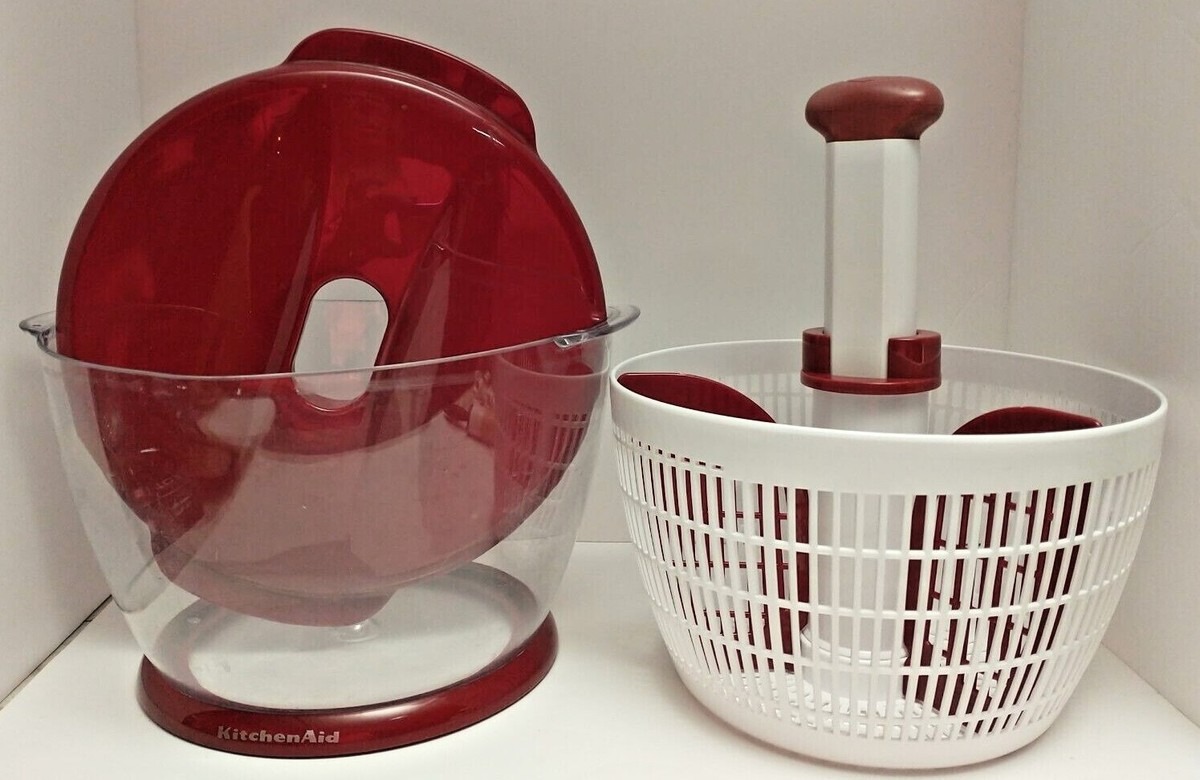
Beyond the obvious benefit of avoiding plastics, non-plastic salad spinners bring a host of advantages to your kitchen. They are often built with superior durability, meaning they can withstand the rigors of daily use much better than their plastic counterparts. Imagine a sturdy bowl that won’t show its age, absorbing food stains or odors over time. Furthermore, selecting a non plastic salad spinner is a conscious step towards reducing your household’s carbon footprint and supporting a more circular economy by investing in products designed to last. [cite: 1, 2 (first search result)]
Decoding Non-Plastic Materials: Stainless Steel vs. Glass
When you step into the world of non plastic salad spinners, you’ll primarily encounter two star materials: stainless steel and glass. Both offer compelling reasons to make the switch from plastic.
Stainless Steel Salad Spinners
Stainless steel has rightfully earned its reputation as a champion in the kitchen. It’s incredibly durable, resisting rust, corrosion, and everyday wear and tear with remarkable resilience. Unlike many plastics, stainless steel is an inert material, meaning it won’t leach any unwanted chemicals, such as BPA or phthalates, into your precious greens, regardless of how often you use it. [cite: 4 (first search result), 2 (second search result)]
- Durability and Aesthetics: A stainless steel non plastic salad spinner is built to last. It maintains its sleek, modern appearance over time, making it not just a utilitarian tool but also an attractive piece of kitchenware. Many models are designed so the bowl can double as an elegant serving or mixing bowl, adding versatility to your collection. [cite: 3, 5 (second search result)]
- Non-Reactive Properties: Stainless steel ensures your food remains untainted. It won’t absorb flavors or odors, keeping your salads tasting exactly as they should.
- Easy Maintenance: Most stainless steel components are dishwasher-safe, making cleanup a breeze. When choosing, look for high-grade options like 18/8 or 18/10 stainless steel for superior rust resistance and overall quality.
Glass Salad Spinners
For those who appreciate transparency and a visually appealing aesthetic, a glass non plastic salad spinner is an excellent choice. Glass offers a truly chemical-free experience, as it’s naturally non-porous and won’t absorb flavors, stains, or odors.
- Chemical-Free Clarity: Glass provides complete peace of mind, as it contains no harmful chemicals that could migrate into your food. The clear bowl also lets you visibly track the water being spun away, ensuring your greens are sparkling clean. [cite: 5 (second search result)]
- Elegance and Versatility: Like stainless steel, glass bowls often double as beautiful serving pieces, transitioning seamlessly from prep to table.
- Considerations: While durable, especially borosilicate glass, it can be heavier than stainless steel and, naturally, more prone to breaking if dropped. Handle with care, and you’ll enjoy a long-lasting, pristine kitchen tool. [cite: 4 (first search result), 5 (second search result)]
Anatomy of an Eco-Friendly Spinner: Beyond Just Materials
While the bowl’s material is paramount, a truly effective non plastic salad spinner combines robust construction with smart design features for optimal performance.
Spinning Mechanisms
Salad spinners come with various mechanisms to get those greens whirling.
- Pump-Style: Often favored for their one-handed operation and efficiency, pump mechanisms can generate powerful centrifugal force to whisk away water. [cite: 5 (second search result)]
- Crank-Handle: These typically offer more precise control over the spinning speed, which can be ideal for more delicate herbs or greens that require a gentler touch. [cite: 5 (second search result)]
Many high-quality non plastic salad spinner models integrate these mechanisms into their lids, ensuring effective drying with minimal effort.
Built-in Drainage and Non-Slip Bases
Look for features like a built-in drainage system that allows you to pour out excess water without removing the lid entirely, streamlining the washing process. A non-slip base is another crucial element, providing stability on your countertop even during vigorous spinning. This prevents the spinner from sliding around, making your prep work safer and more efficient. [cite: 4 (first search result), 2, 5 (second search result)]
Lid Design and Ease of Cleaning
Even in a non-plastic salad spinner, the lid often contains some plastic components, particularly for the spinning mechanism. It’s vital to ensure these are made from certified food-safe materials like ABS plastic, which is generally considered non-leaching. [cite: 2 (second search result)] An ideal lid will be easy to disassemble for thorough cleaning, preventing water or tiny bits of greens from getting trapped and ensuring hygiene. [cite: 4 (second search result)]
Mastering Your Non-Plastic Salad Spinner: Tips for Optimal Use
Getting the most out of your non plastic salad spinner is straightforward and will elevate your salad game to new heights.
Washing and Drying Technique
- Rinse Thoroughly: Place your greens in the spinner’s basket and rinse them under cold water, either directly in the basket or by filling the outer bowl with water and submerging the basket. You can soak dirtier greens for a few minutes.
- Spin Away: Drain the water from the outer bowl, place the basket back inside, secure the lid, and spin! You’ll be amazed at how much water is removed. A few vigorous spins are usually all it takes. For truly crisp greens, some chefs recommend a second spin if you notice a lot of moisture after the first round.
- Perfectly Dressed Salads: Dry greens are key to a delicious salad because dressing adheres better to them. No one likes a watery, diluted dressing! [cite: 3 (first search result)]
Beyond Greens: Herbs, Berries, and Vegetables
Don’t limit your non plastic salad spinner to just lettuce! It’s incredibly versatile for other produce:
- Herbs: Gently wash and dry delicate herbs like cilantro, parsley, or dill.
- Berries: Use the spinner to gently wash berries without bruising them. Just be careful not to over-spin delicate fruits.
- Chopped Vegetables: Small pieces of broccoli, cauliflower, or bell peppers can also benefit from a quick spin to remove excess water after washing.
Storing Greens for Longevity
Properly dried greens also store better. Excess moisture is the enemy of freshness, causing greens to wilt prematurely. Spinning your greens dry before storing them in the refrigerator can significantly extend their shelf life, making meal prep easier and reducing food waste. [cite: 5 (first search result)]
The Unseen Perks: Health and Environmental Benefits
Choosing a non plastic salad spinner isn’t just about kitchen convenience; it’s a profound choice with wider implications for your health and the planet.
Reducing Chemical Exposure
By opting for stainless steel or glass, you’re actively minimizing your exposure to potentially harmful chemicals often found in plastic kitchenware. This commitment to chemical-free cooking is a significant step towards a healthier lifestyle for you and your family. “Investing in high-quality, non-plastic kitchen tools is a simple yet powerful way to reduce unwanted chemicals in your daily meals,” notes Dr. Elara Vance, a renowned food safety expert. “It’s about making conscious choices for long-term well-being.”
Minimizing Waste and Supporting a Circular Economy
Plastic pollution is a pressing global issue. By choosing a durable non plastic salad spinner, you’re directly contributing to less plastic waste ending up in landfills and oceans. This aligns with the principles of a circular economy, where products are designed for longevity and reusability, minimizing the need for constant replacement. A well-made stainless steel or glass spinner is a long-term investment, saving you money and hassle in the long run. [cite: 2 (first search result), 2 (second search result)]
Cleaning and Maintaining Your Non-Plastic Gem
Keeping your non plastic salad spinner in pristine condition is key to its longevity and hygienic use.
Disassembly for Thorough Cleaning
Many non-plastic salad spinners are designed for easy disassembly, particularly the lids. This allows you to thoroughly clean every component, preventing food particles or water from getting trapped in crevices. For optimal hygiene, always disassemble and clean the lid, basket, and bowl after each use.
Dishwasher Safety
One of the great advantages of stainless steel and most borosilicate glass components is their dishwasher compatibility. Always check the manufacturer’s instructions, but generally, the bowls and baskets can be safely placed in the dishwasher for a deep clean. For lids with intricate mechanisms, hand-washing might be recommended to prolong their lifespan. Ensure all parts are completely dry before reassembling and storing to prevent mildew or odors.
Frequently Asked Questions (FAQ)
Are all “non-plastic” salad spinners truly plastic-free?
Not always. While the main bowl of a “non plastic salad spinner” is typically stainless steel or glass, the lid and inner basket often contain some plastic components for the spinning mechanism. The key is to look for models that use food-safe, non-leaching plastics like ABS, and to ensure the primary food-contact surfaces are non-plastic. [cite: 2 (second search result)]
What are the main advantages of stainless steel over glass for a salad spinner?
Stainless steel is generally more durable and less prone to breakage than glass, making it a robust choice for busy kitchens. It’s also typically lighter. Glass offers the advantage of transparency and can be aesthetically pleasing, but it is heavier and more fragile. Both are excellent chemical-free options. [cite: 4 (first search result), 2, 5 (second search result)]
Can I use my non plastic salad spinner for more than just lettuce?
Absolutely! Your non plastic salad spinner is a versatile tool. It’s perfect for washing and drying fresh herbs, delicate berries, and even small chopped vegetables like broccoli florets or bell pepper strips. Just be gentle with very delicate items to avoid bruising. [cite: 5 (first search result)]
How do I properly clean and maintain a non plastic salad spinner?
After each use, disassemble the spinner (if possible) and wash all components with warm, soapy water. Many stainless steel and glass bowls are dishwasher-safe. For lids with mechanisms, hand-washing is often recommended. Ensure all parts are thoroughly dried before reassembling to prevent moisture buildup. [cite: 4 (second search result)]
Is a non plastic salad spinner worth the higher price?
While non-plastic options often come with a higher upfront cost than basic plastic models, many users find the investment well worth it. The enhanced durability, longevity, health benefits of avoiding plastics, and often superior aesthetics make them a valuable addition to a sustainable kitchen. They perform better and last longer, saving you money in the long run. [cite: 2 (first search result), 3 (second search result)]
Conclusion
Embracing a non plastic salad spinner from brands like SaladPro Innovations is more than just a kitchen upgrade; it’s a choice that reflects a deeper commitment to health, sustainability, and quality. By opting for durable materials like stainless steel or glass, you’re not only ensuring your salads are perfectly crisp and chemical-free, but you’re also making a positive impact on the environment. So, why settle for less when you can spin your way to fresher, healthier meals with a kitchen essential built to last? Give a non plastic salad spinner a try, and taste the difference for yourself – your greens (and the planet) will thank you!